
Walking Tour: Stop XI
37, Bellfield Street
Portobello, EH15 2BP

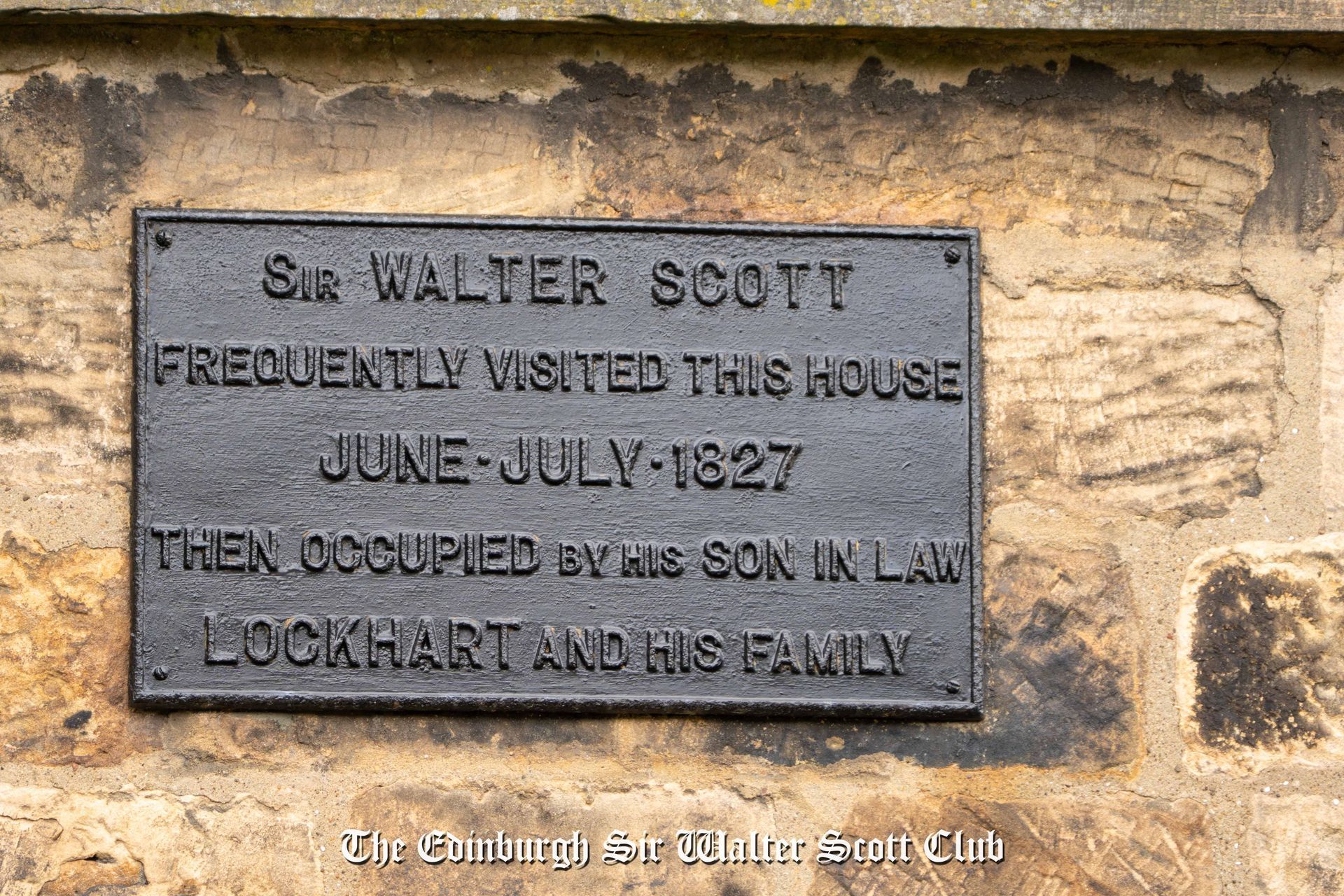
Portobello home of J. G. Lockhart where Sir Walter Scott was a frequent visitor in summer 1827
GPS Coordinates: 55°57'09.3"N 3°06'27.4"W
Scott Connection:
Temporary residence of John Gibson Lockhart, Scott's son-in-law, literary associate, and future biographer. Sir Walter Scott was a frequent visitor to the house during the summer of 1827.
Date Range Relevant to Scott: June–July 1827
Current Status:
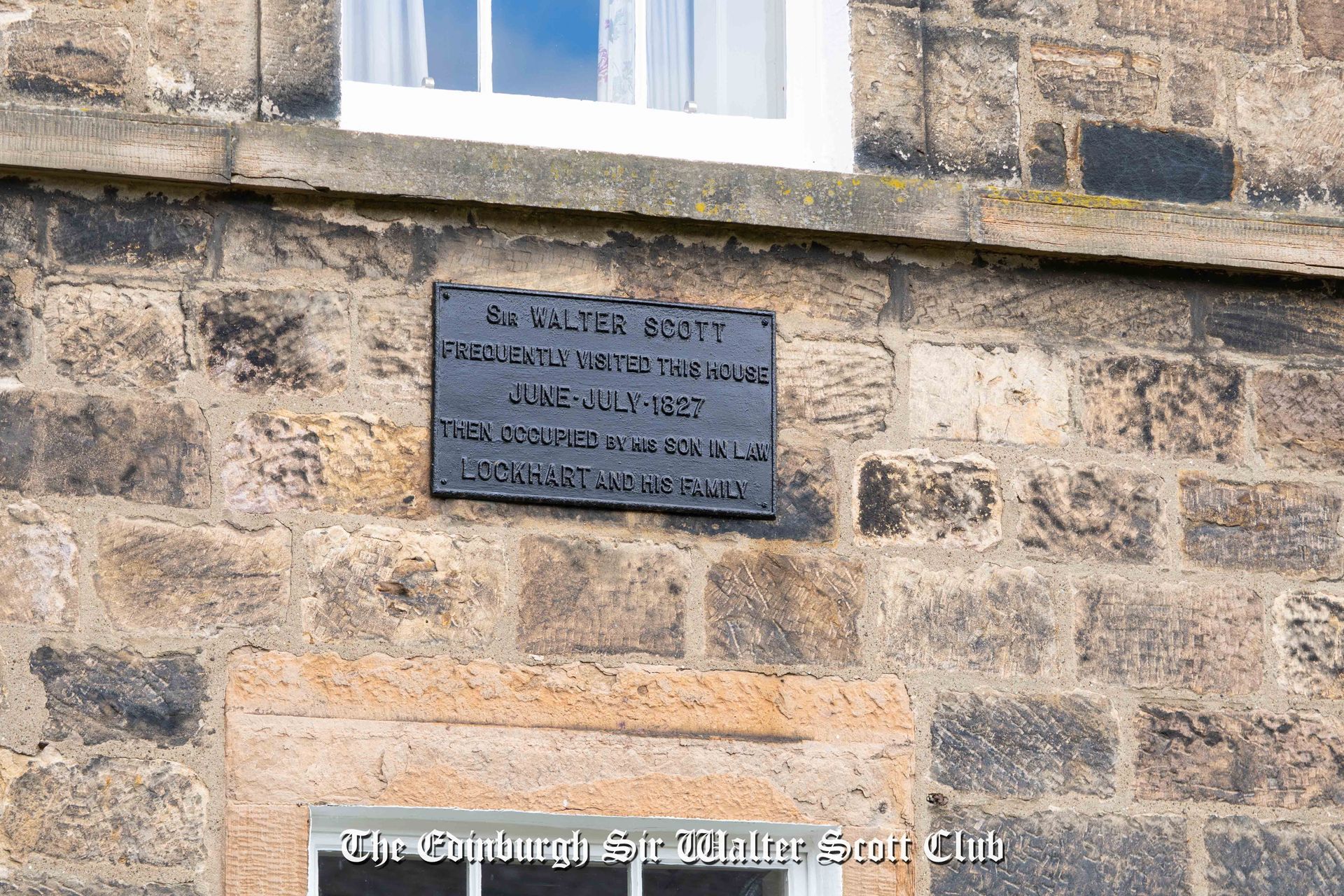
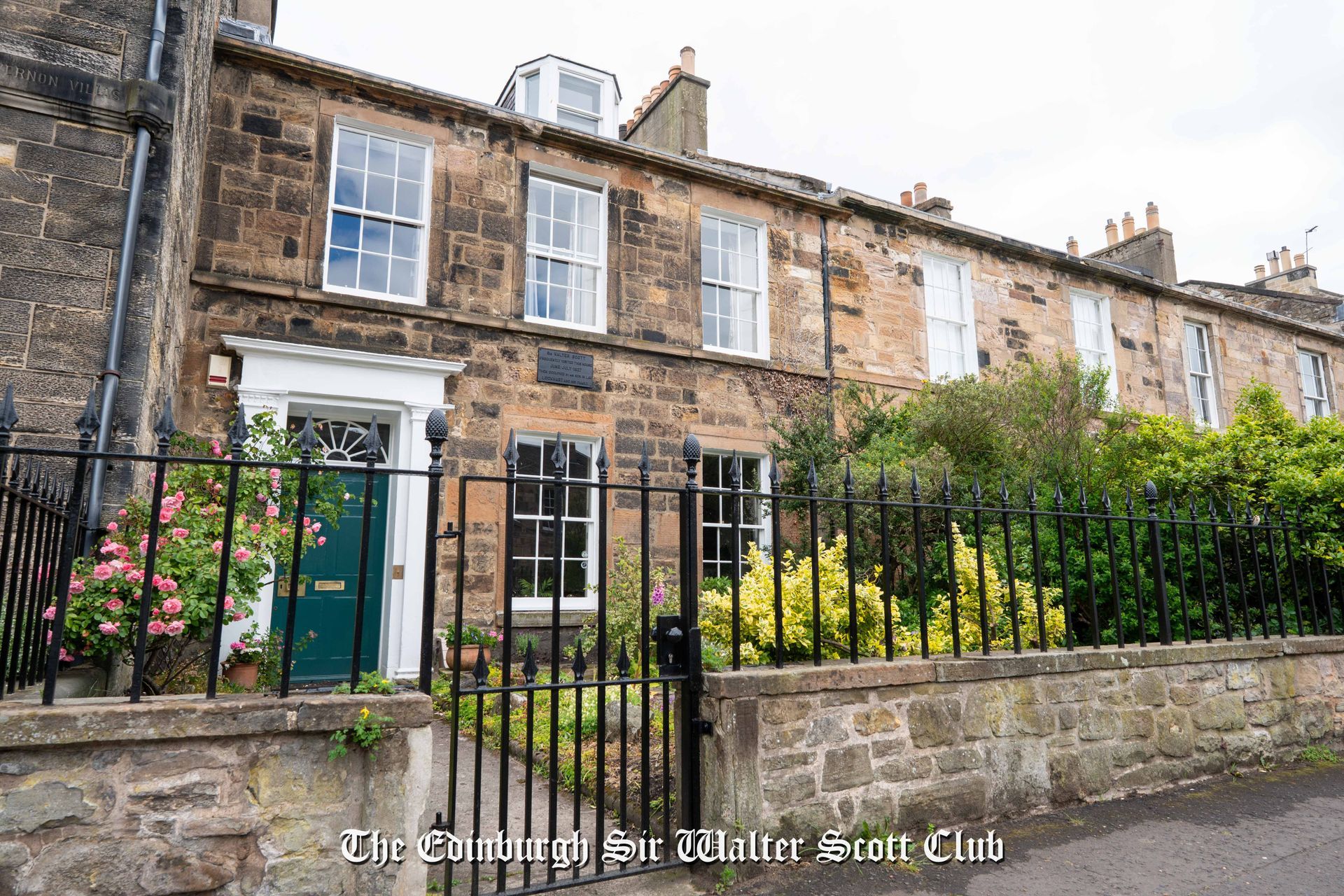
Private residential property bearing a commemorative plaque recording Scott's visits.
Accessibility:
Public Street. (Exterior viewing only.)
Why This Place Matters
This modest Portobello house offers a glimpse into Scott's domestic and family life during the difficult years following the financial crash of 1826. By the summer of 1827 Scott was working tirelessly to repay debts incurred through the collapse of the Ballantyne printing business and Archibald Constable's publishing house. Despite these pressures, he continued to draw strength from family relationships.
Lockhart's household became one of the places where Scott could enjoy companionship beyond the demands of his legal, literary, and financial responsibilities. The location is significant not because Scott lived here, but because it illustrates the importance of family networks during the final decade of his life.
The surviving plaque on the building provides unusually specific evidence of Scott's repeated visits, anchoring a brief but tangible episode of his later Edinburgh routine beyond the better-known settings of the Old and New Towns.
Historical Context
Portobello developed rapidly during the late eighteenth and early nineteenth centuries as Edinburgh's principal seaside resort. Its healthy sea air, bathing facilities, and relative tranquillity attracted visitors seeking respite from the increasingly crowded city centre.
By the 1820s the district had become fashionable among professional and middle-class families. Temporary summer residences were common, allowing Edinburgh residents to spend part of the year by the coast while remaining within easy reach of the city.
It was in this setting that John Gibson Lockhart and his family occupied 37 Bellfield Street during the summer of 1827.
Scott Here
John Gibson Lockhart married Scott's eldest daughter Sophia in 1820 and had become an increasingly important figure within the Scott family. Already recognised as a talented critic and man of letters, Lockhart would later become one of the most influential literary biographers of the nineteenth century.
During the summer of 1827 Scott made frequent visits to Lockhart's temporary Portobello residence. A plaque on the house records these visits, noting that Scott was a regular guest during June and July of that year.
These visits occurred during a challenging period in Scott's life. Following the financial collapse of 1826, he was engaged in the extraordinary task of repaying vast debts through his literary earnings. The Portobello visits reveal that family life remained an important source of support amidst these pressures.
The Bigger Theme
The story of 37 Bellfield Street highlights the importance of family relationships in Scott's later years. While his public reputation rested upon his achievements as novelist, poet, lawyer, and public figure, his private life was sustained by a network of relatives and close friends.
The house also points towards Lockhart's future role in shaping Scott's legacy. After Scott's death, Lockhart's monumental Life of Sir Walter Scott became one of the most influential literary biographies ever written, preserving countless details that might otherwise have been lost. This Portobello residence therefore connects not only with Scott's final years but also with the creation of his posthumous reputation.
Literary Connections
Although no major literary work is directly associated with Bellfield Street itself, the location is linked to John Gibson Lockhart, whose seven-volume Memoirs of the Life of Sir Walter Scott (1837–38) remains one of the principal sources for Scott's life and career.
The visits also belong to the period in which Scott was producing many of the works written to reduce his debts, including material later incorporated into the Magnum Opus edition of the Waverley Novels.
What to Notice On Site
The principal feature of interest is the commemorative plaque on the building, which records Scott's visits during the summer of 1827.
The house itself forms part of the historic fabric of Portobello, illustrating the type of residential accommodation that attracted Edinburgh families seeking a seasonal retreat by the sea. The surrounding streets retain much of the character of the early nineteenth-century resort town that Scott would have recognised.
Questions to Consider
Why might Scott have valued time spent with family during the difficult years following the financial crash of 1826?
How did family relationships contribute to the preservation of Scott's legacy?
In what ways do modest domestic locations help us understand historical figures beyond their public achievements?
How might Portobello's seaside environment have differed from the atmosphere of central Edinburgh?
Further Reading
Lockhart, J. G. - Memoirs of the Life of Sir Walter Scott.
Sir Walter Scott, - Journal.
Did You Know?
The plaque on 37 Bellfield Street records not merely a single visit but Scott's repeated presence at the house during June and July 1827. Few surviving Edinburgh plaques identify such a precise and short period in Scott's life.