
Walking Tour: Stop E
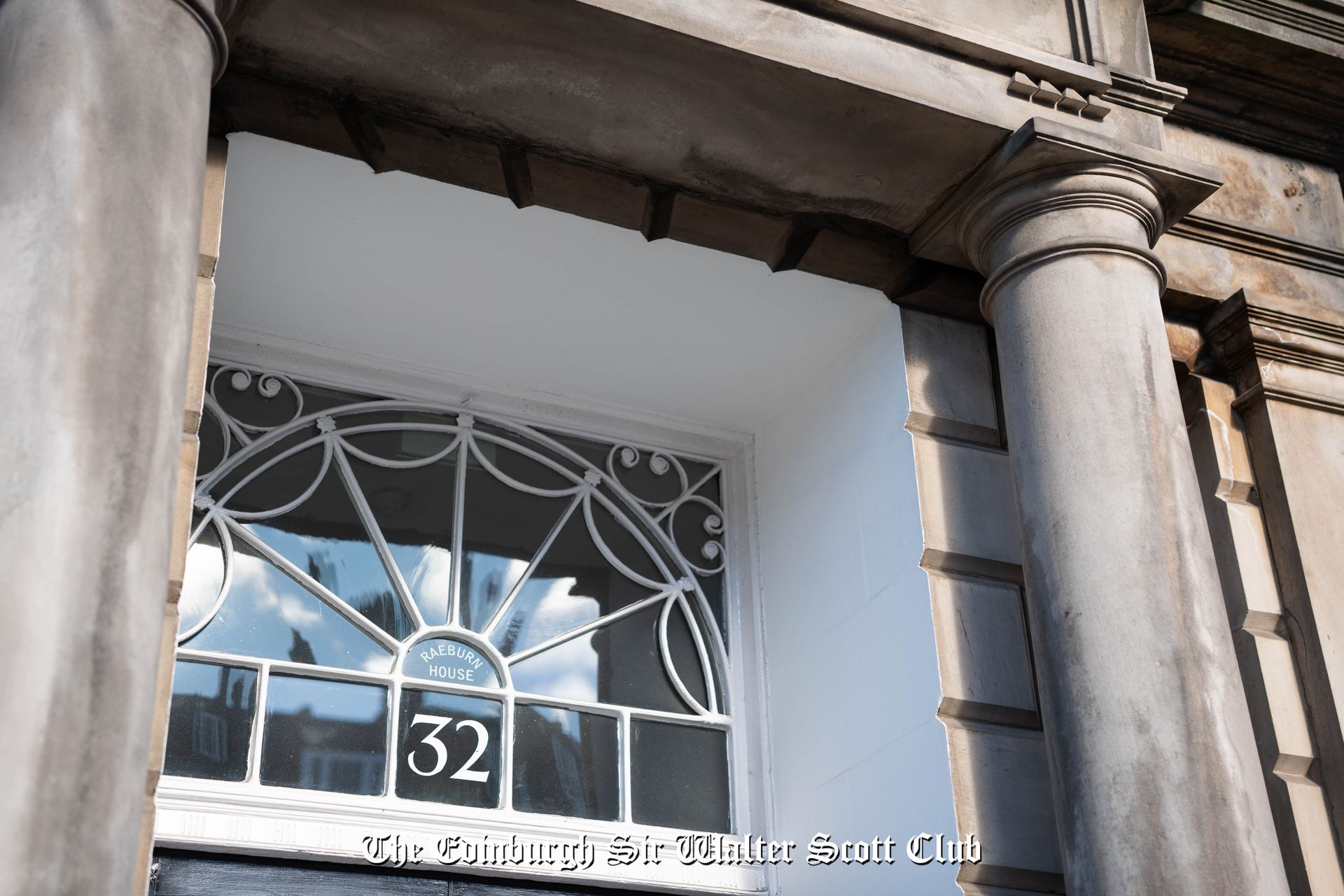
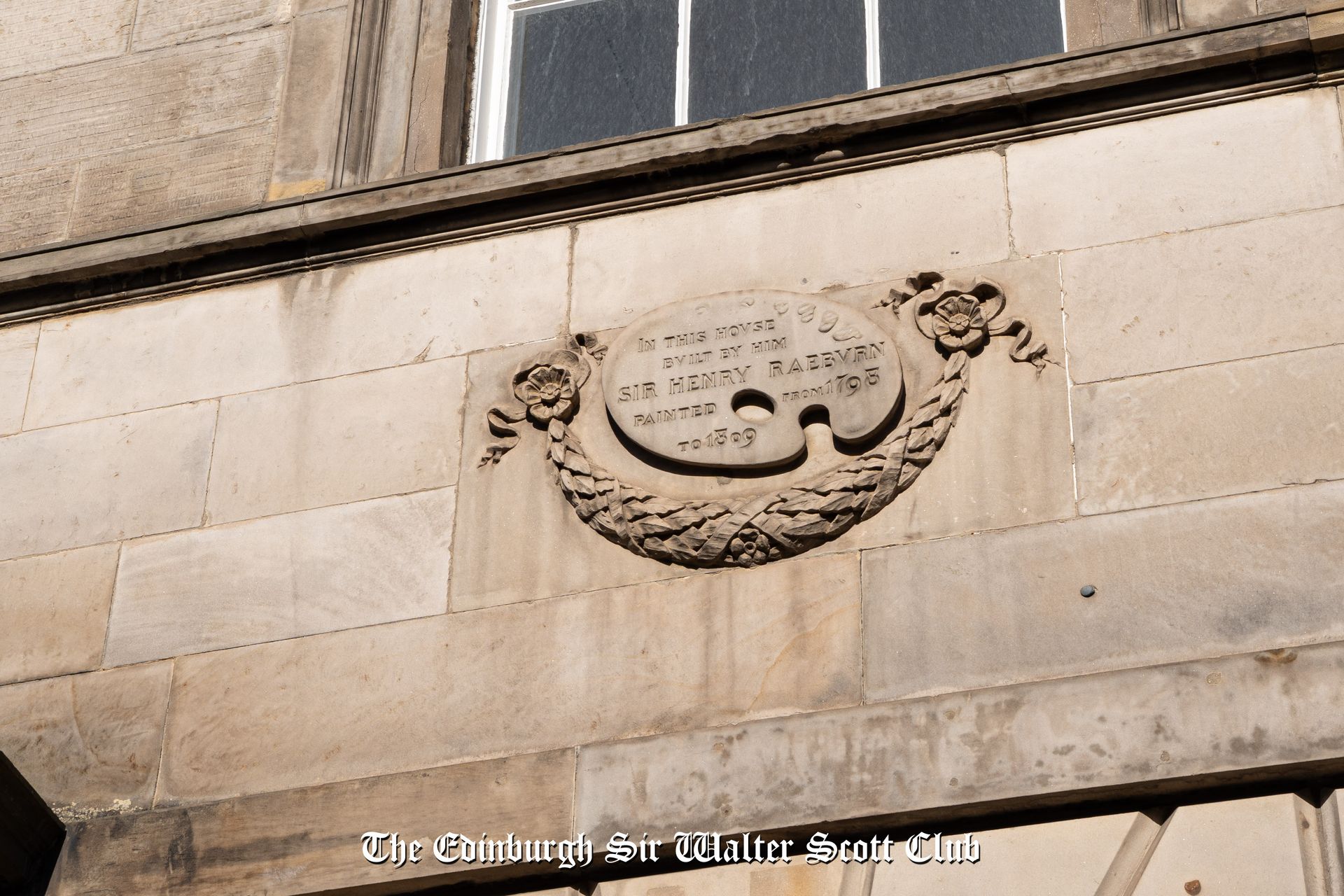
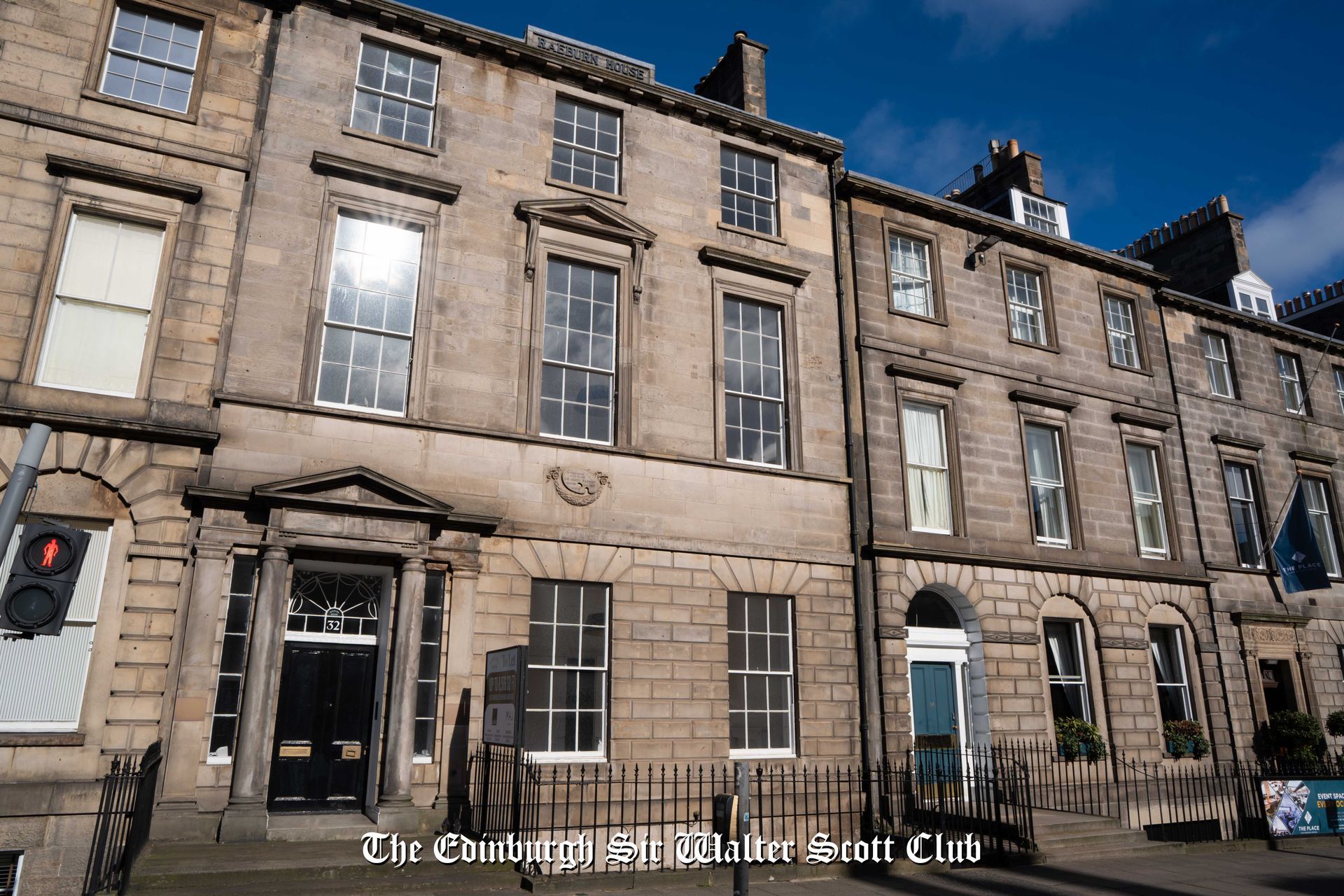
Raeburn’s House
32 York Place, EH1 3EP

Residence and studio of Sir Henry Raeburn, painter of the most famous portraits of Sir Walter Scott.
GPS Coordinates: 55°57'23.4"N 3°11'25.2"W
Scott Connection:
Sir Henry Raeburn, Scotland’s leading portrait painter of the period, lived and worked in York Place. Although it is not certain that Scott sat for Raeburn here, the house represents the artistic environment in which some of the most influential images of Scott were created.
Date Range Relevant to Scott: c.1810s–1820s
Current Status:
Category A listed Georgian townhouse known as Raeburn House at 32 York Place. The building survives but has been refurbished internally and is currently used as modern office accommodation.
Accessibility:
Public street location. Exterior viewing only
Why This Place Matters
The house and studio of Sir Henry Raeburn (1756–1823) at 32 York Place represents the place where some of the most enduring visual representations of Sir Walter Scott were created. Raeburn was Scotland’s leading portrait painter in the late eighteenth and early nineteenth centuries, and his depictions of Scott played a significant role in shaping the author’s public image.
Portraiture in this period was more than simple likeness. It contributed to the construction of cultural reputation and public identity. Through Raeburn’s paintings, Scott’s image became widely circulated, reinforcing his growing status as one of the most celebrated literary figures of the Romantic age.
Historical Context
Sir Henry Raeburn established his studio at York Place in Edinburgh’s New Town during the late eighteenth century. York Place formed part of the city’s expanding northern extension, a district that attracted professional families, artists, and members of Edinburgh’s intellectual elite.
Raeburn’s studio quickly became the centre of portrait painting in Scotland. Among his sitters were lawyers, judges, aristocrats, military officers, and leading figures of the Scottish Enlightenment. His distinctive style—characterised by strong modelling, rich tonal contrasts, and direct psychological presence—made his portraits highly sought after.
In 1822 Raeburn was appointed King’s Limner and Painter in Scotland, the official royal portrait painter, a position that confirmed his status as the foremost portraitist of his generation.
Scott Here
Sir Walter Scott sat for Sir Henry Raeburn on several occasions. Raeburn produced two particularly celebrated portraits of Scott, both of which became defining visual representations of the author.
One portrait depicts Scott seated informally with a book in hand, presenting him as a thoughtful man of letters. Another shows Scott accompanied by his beloved deerhound Maida, a detail that helped reinforce the romantic image of Scott as a Border gentleman and antiquarian.
These images were widely reproduced through engravings and later publications, helping to establish the visual identity of Scott at the height of his literary fame. Through Raeburn’s portraits, Scott’s appearance became familiar to readers far beyond Scotland.
The Bigger Theme
Raeburn’s portraits illustrate how literary celebrity in the early nineteenth century was constructed not only through printed works but also through visual culture. Portraits circulated through engravings, exhibitions, and later publications, shaping the public perception of prominent figures.
In Scott’s case, Raeburn’s paintings helped define the image of the historical novelist as a figure rooted in Scottish landscape, tradition, and history. The portraits contributed to the creation of the cultural mythology that surrounded Scott during his lifetime and continued long after his death.
Raeburn was knighted by George IV during the royal visit to Scotland in 1822, recognition of his position as Scotland’s foremost portrait painter.
Literary Connections
Although Raeburn’s portraits are works of visual art rather than literary production, they form part of the broader cultural world in which Scott’s writing circulated.
The romanticised image of Scott—scholar, antiquarian, and Border gentleman—reflected themes that appear throughout his novels and narrative poems, particularly the blending of historical imagination with national identity.
What to Notice On Site
The townhouse at 32 York Place forms part of a terrace typical of Edinburgh’s New Town architecture. Its proportions and classical detailing reflect the Georgian style that characterises much of the city’s eighteenth- and early nineteenth-century development.
Although Raeburn’s studio interiors no longer survive in their original form, the building marks the location where many of Scotland’s most important portraits of the period were created.
Questions to Consider
How did portraiture contribute to the public reputation of literary figures in the nineteenth century?
What role did artists such as Raeburn play in shaping the cultural identity of Scotland during Scott’s lifetime?
How do visual images influence the way readers imagine historical authors?
Further Reading
Hardie, David Martin. -
Sir Henry Raeburn.
Macmillan, Duncan. -Scottish Art 1460–1990.
National Galleries of Scotland. -Raeburn and His Sitters.
Russell, Francis. - Portraits of Sir Walter Scott.
Did You Know?
Raeburn’s portrait of Scott with his deerhound Maida became one of the most widely reproduced images of the author and helped establish the enduring visual image of Scott as a Romantic literary figure.
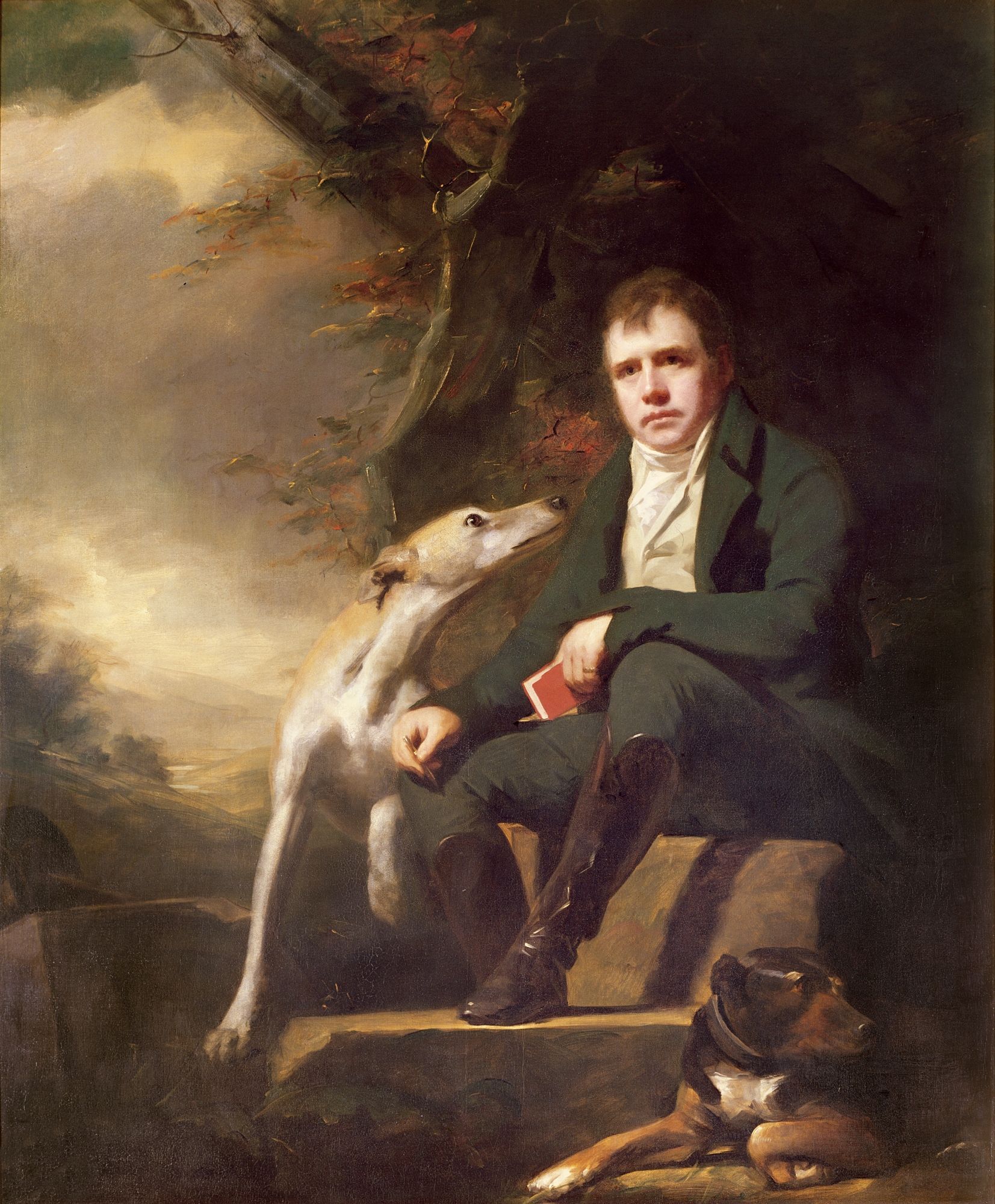
Henry Raeburn: Portrait of Sir Walter Scott and his dogs (Public Domain)
Raeburn’s later portrait of Scott (1823) is now held in the Scottish National Portrait Gallery a short distance away.