
Walking Tour: Stop G
The Speculative Society
The Edinburgh University Old College, EH8 9YL

The debating society where Walter Scott learned the arts of argument, rhetoric, and intellectual debate.
GPS Coordinates: 55°56'50.8"N 3°11'14.1"W
Scott Connection
Walter Scott joined the Speculative Society in December 1790 while studying law in Edinburgh. Over the following years he became one of its most active members, serving successively as Librarian, Secretary and Treasurer. Through essays and debates he developed the historical curiosity and rhetorical skills that later characterised both his legal career and his literary work.
Date Range Relevant to Scott: 1790–1795 (active membership), with continued association throughout his life.
Current Status
Active private debating society.
Accessibility
Not generally open to the public. Visits are occasional and by invitation.
Why This Place Matters
The Speculative Society — often simply called “The Spec” — was one of the most important intellectual training grounds in late eighteenth-century Edinburgh.
Founded in 1764, the Society existed to improve literary composition and public speaking through essays, debates, and formal discussion. Membership was deliberately limited, making it one of the most prestigious debating societies associated with the University of Edinburgh.
Scott joined at the age of nineteen and quickly became a central figure in the organisation. His commitment to the Society was exceptional: he served in several administrative roles and rarely missed meetings.
The Spec gave Scott a disciplined environment in which to test ideas, refine historical arguments, and practise the art of persuasive speech — abilities that later proved essential in both his legal practice and his role as a public intellectual.
Historical Context
Edinburgh in the eighteenth century was famous for its clubs and debating societies. These organisations formed an important part of the intellectual life of the Scottish Enlightenment.
The Speculative Society was founded in 1764 by university students led by the future publisher William Creech, though it remained independent of the university authorities.
The Society originally met in taverns before establishing its own rooms. Later it moved into halls within the University’s Old College, with rooms designed by William Henry Playfair in the early nineteenth century. These halls remain in use today and preserve many of the traditions of the eighteenth-century debating society.
Membership was limited to around thirty ordinary members, who met weekly during the winter months to deliver essays, debate philosophical and political questions, and administer the Society’s affairs.
Scott Here
Scott petitioned for membership on 14 December 1790 and was admitted the following week, becoming member number 269.
Two existing members had to support each application. Scott’s sponsors were Alexander Irving (later Lord Newton) and Thomas Douglas, later the 5th Earl of Selkirk.
Once admitted, Scott quickly became deeply involved in the administration of the Society.
He served as Librarian, reorganising the Society’s book collection and recovering missing volumes. He was later elected Secretary and Treasurer, helping restore order to the Society’s finances and records.
These responsibilities gave Scott valuable experience in committee work, administration, and public leadership.
Scott also delivered several essays and participated in numerous debates. His essay topics reflected the antiquarian interests that later shaped his writing. Subjects included:
• the origins of the feudal system
• the authenticity of the poems of Ossian
• Scandinavian mythology and ballads
Scott spoke in twenty-one debates, opening two of them himself. His contributions were valued not for rhetorical brilliance but for their wide historical knowledge and good-humoured delivery.
Participation in these debates helped develop the historical imagination and argumentative discipline that would later underpin the Waverley Novels.
The Bigger Theme
Intellectual Apprenticeship
Scott’s literary imagination was shaped within the intellectual culture of Enlightenment Edinburgh. Debating societies such as the Speculative Society provided young men with training in argument, composition, and public speaking.
For Scott, this environment helped cultivate the habits of historical inquiry and rhetorical persuasion that later defined his career as both writer and national figure.
Literary Connections
Scott’s essays in the Society reveal early interests that continued throughout his career.
His work on feudal society later resurfaced in his historical writing, including essays for the Encyclopaedia Britannica and historical reflections in Tales of a Grandfather.
Debates on the authenticity of Ossian also informed Scott’s later engagement with the controversy surrounding James Macpherson’s poems.
What to Notice On Site
Although the debating chamber itself is not normally open to the public, the rooms associated with the Society retain the atmosphere of a traditional debating institution.
The Society preserves several objects associated with Scott, including:
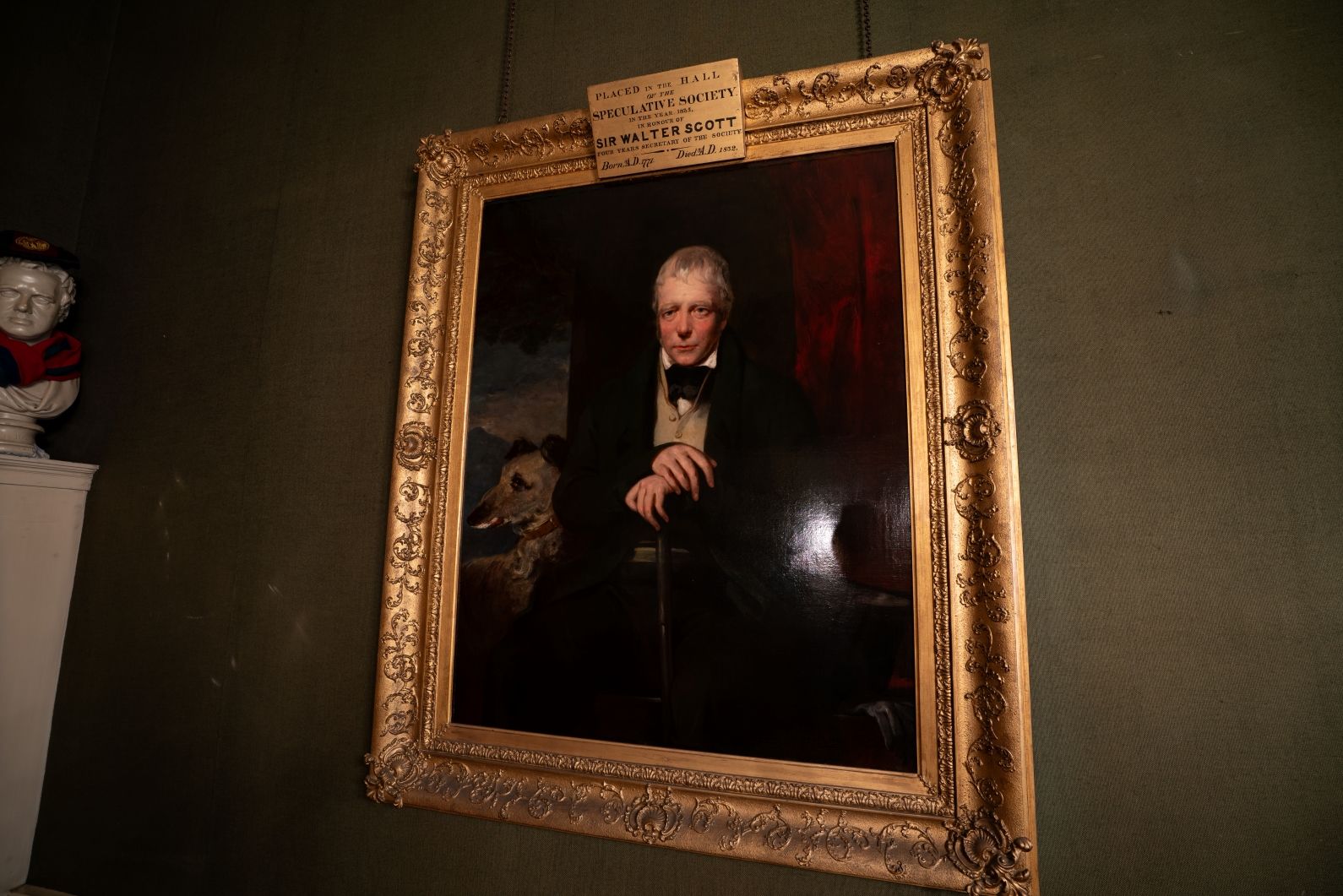
• a portrait of Scott commissioned after his death
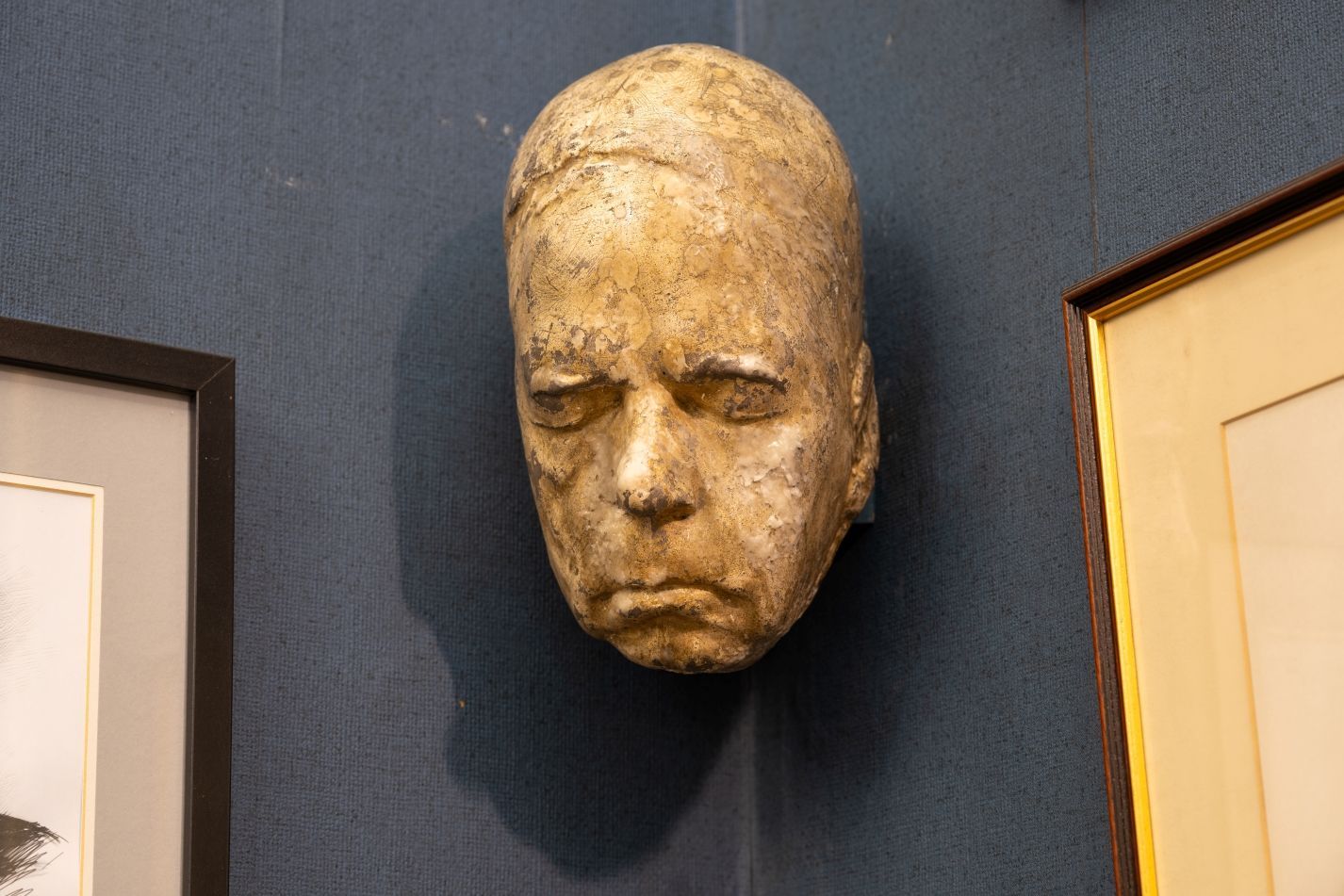
• a cast of his death mask used in admission ceremonies
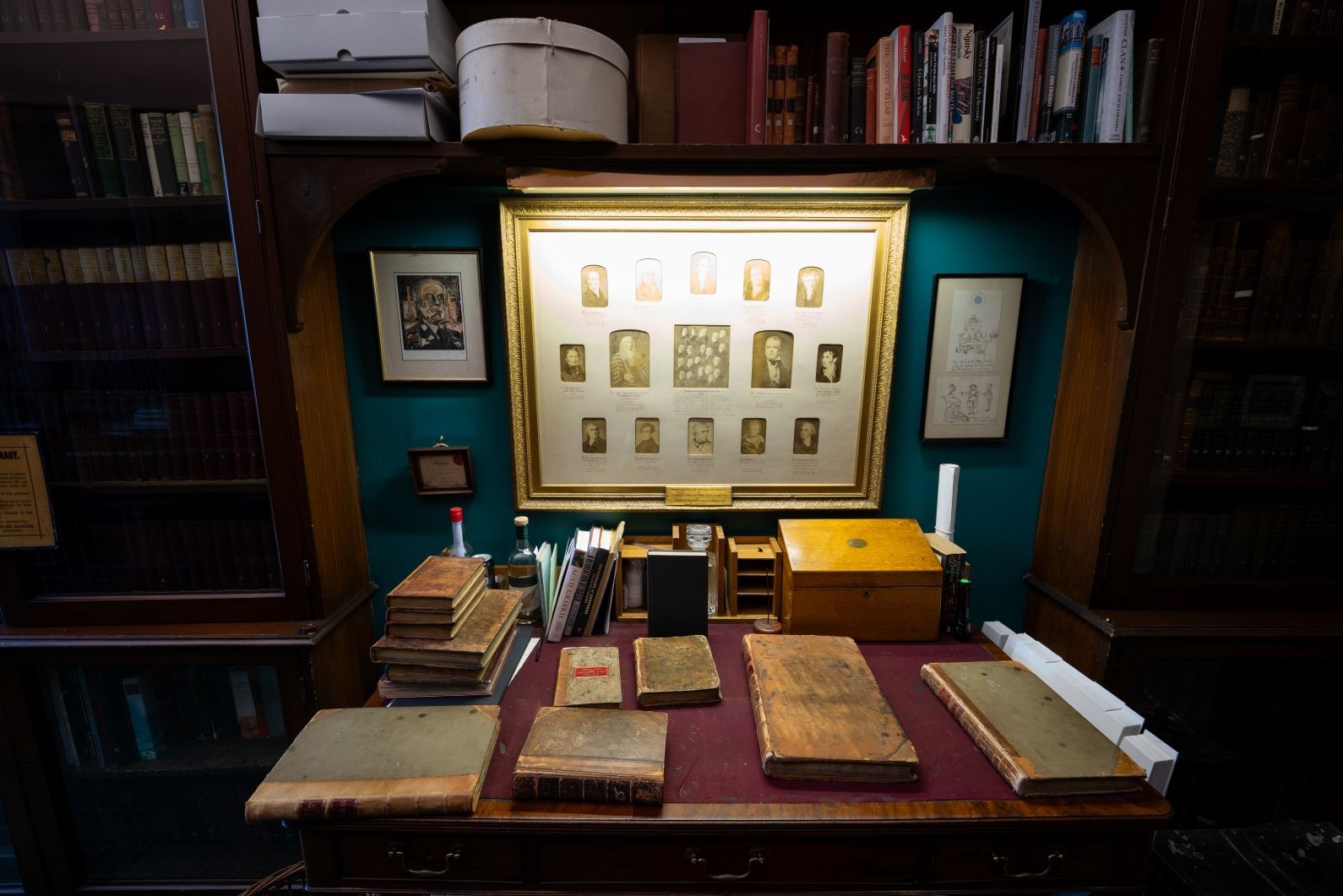
• numerous volumes of his works in the Society’s library
These relics reflect the enduring place Scott holds within the Society’s history.
Questions to Consider
How important were debating societies in shaping the intellectual life of Enlightenment Edinburgh?
Would Scott’s later confidence in public speaking and civic leadership have been possible without this early training?
Further Reading
David McClay - Scott and the Speculative Society
Arthur Melville Clark - Sir Walter Scott: The Formative Years (1969)
Did You Know?
When new members are admitted to the Speculative Society today, a cast of Scott’s death mask is placed on the Secretary’s desk during the ceremony — a reminder of the Society’s most famous member.
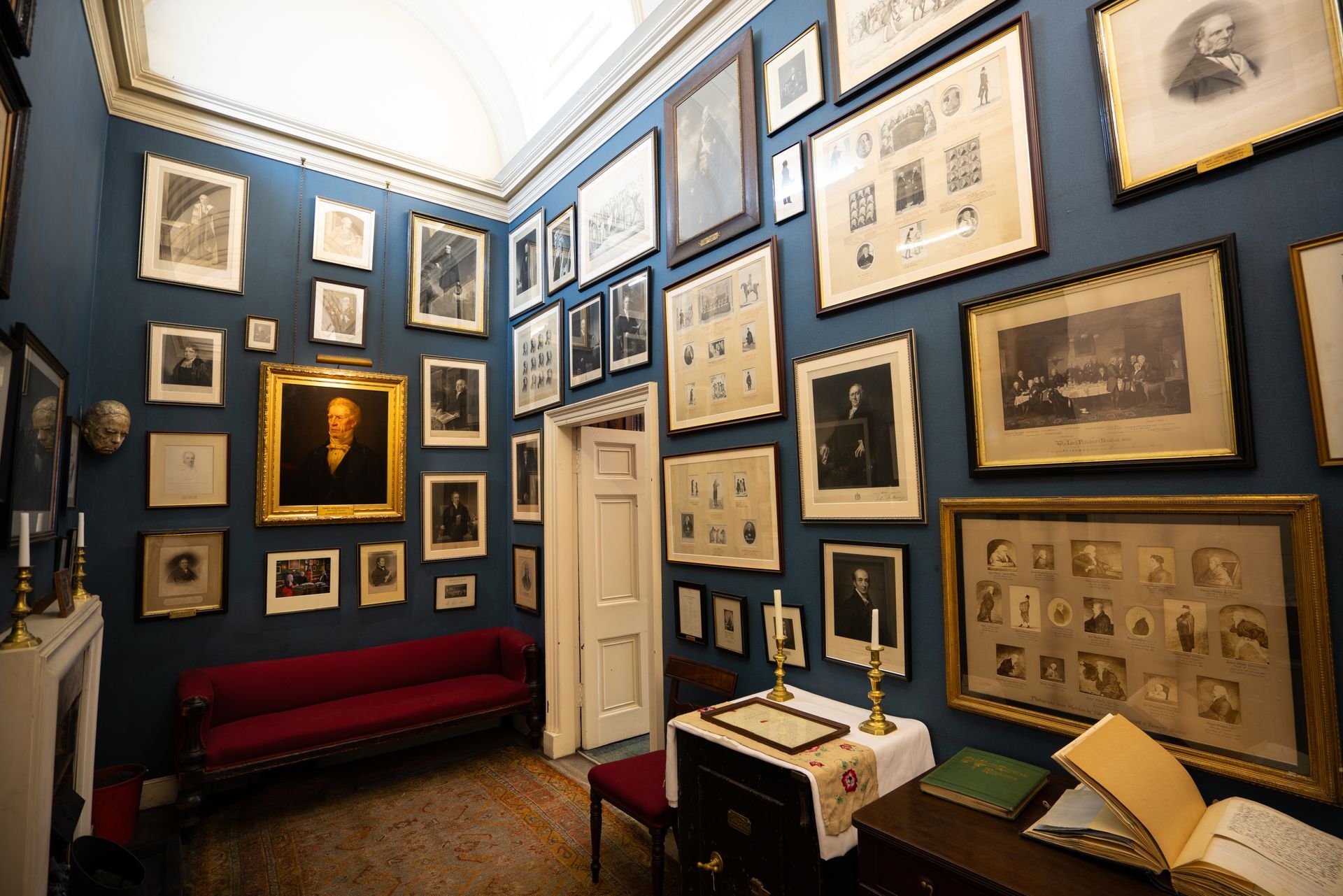
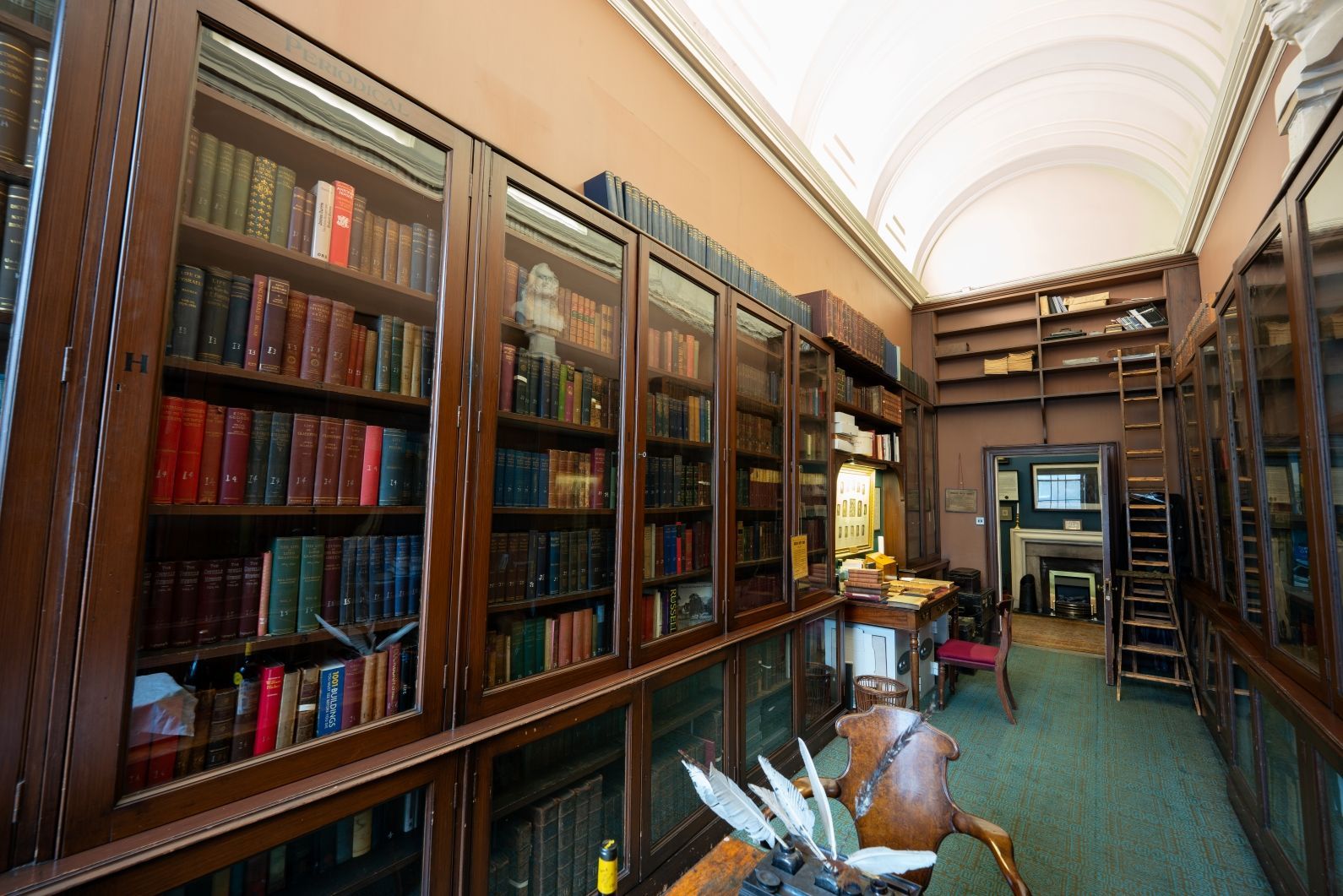
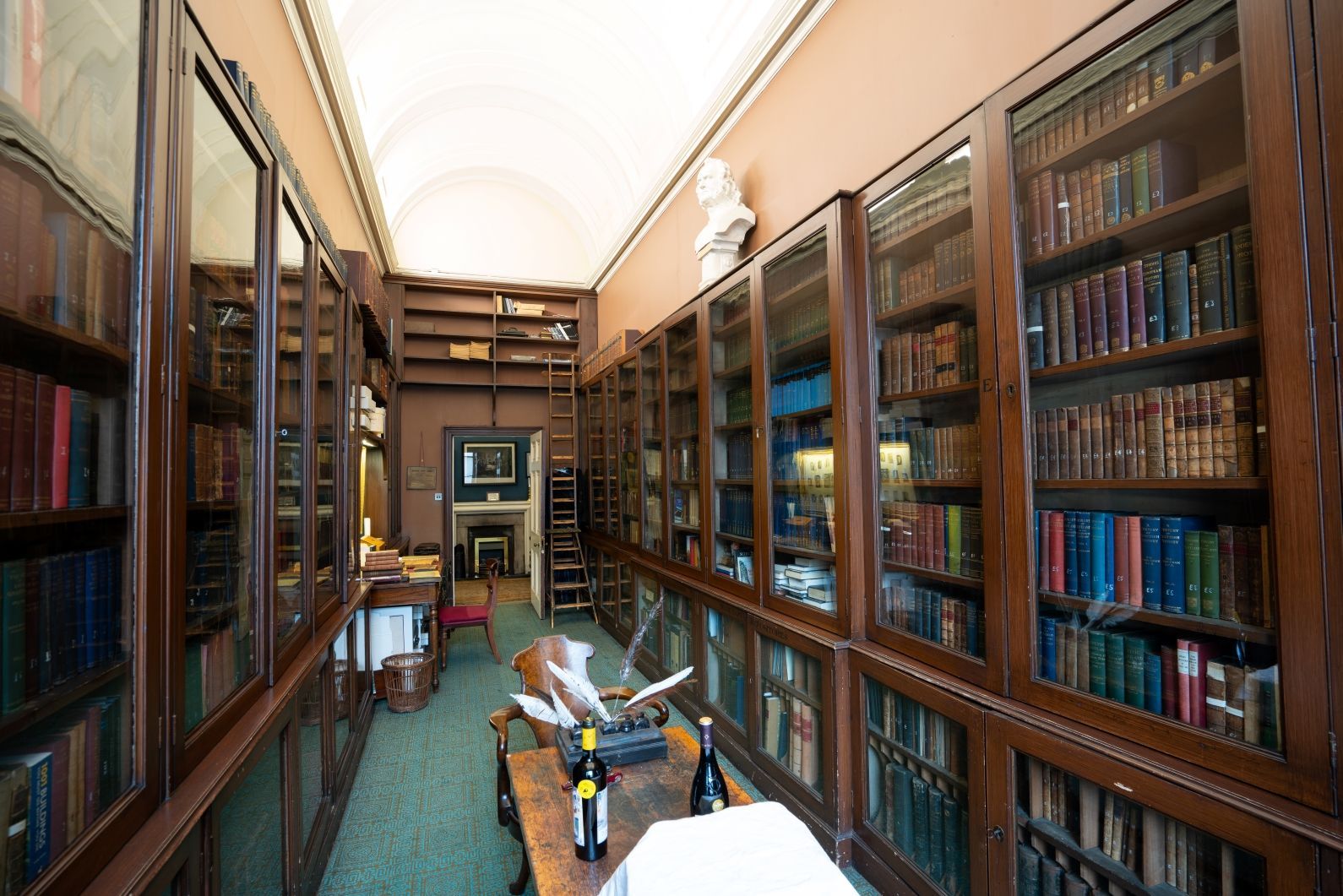
Theses photographs were taken with the permission of the Speculative Society on behalf of The Edinburgh Sir Walter Scott Club by "Lee Live: Photographer". They cannot be used for commercial purposes.