
Walking Tour: Stop A
Lady Stair’s House
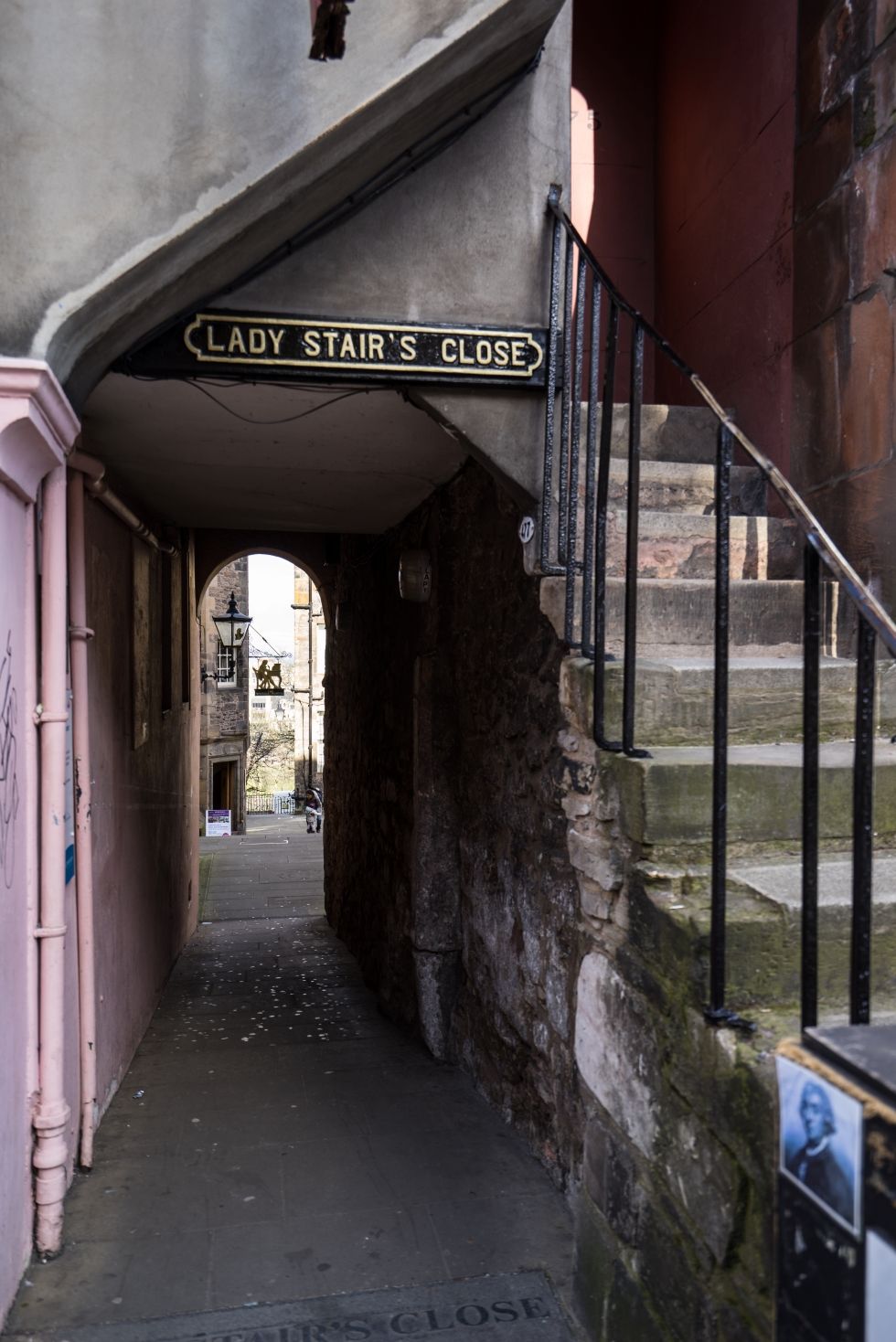
Lady Stair’s Close, Lawnmarket, EH1 2PA

Writers’ Museum and echoes of "The Bride of Lammermoor"
GPS Coordinates: 55°56'58.8"N 3°11'37.7"W
Scott Connection
Lady Stair’s House became associated with Scott through two distinct links. First, the tragic Dalrymple family story connected with the Earls of Stair helped inspire Scott’s novel The Bride of Lammermoor (1819). Second, the house now forms part of the Writers’ Museum, which preserves artefacts connected with Scott’s life and work, including items associated with his Castle Street household.
Date Range Relevant to Scott: Late 18th century – present (literary association and later museum collection)
Current Status
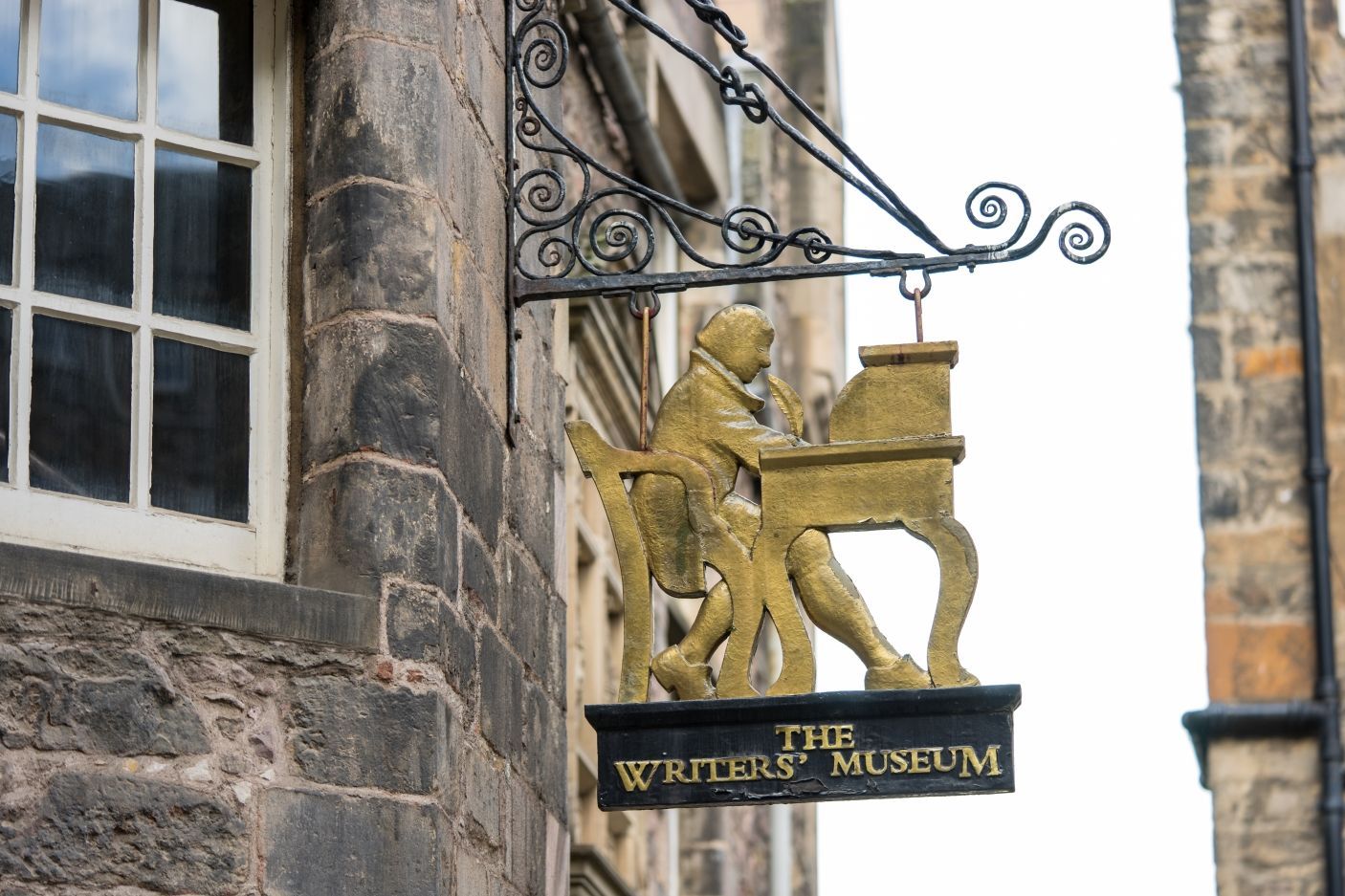
Writers’ Museum (Museums & Galleries Edinburgh)
Accessibility
Located within a historic close with uneven surfaces and stair access.
Why This Place Matters
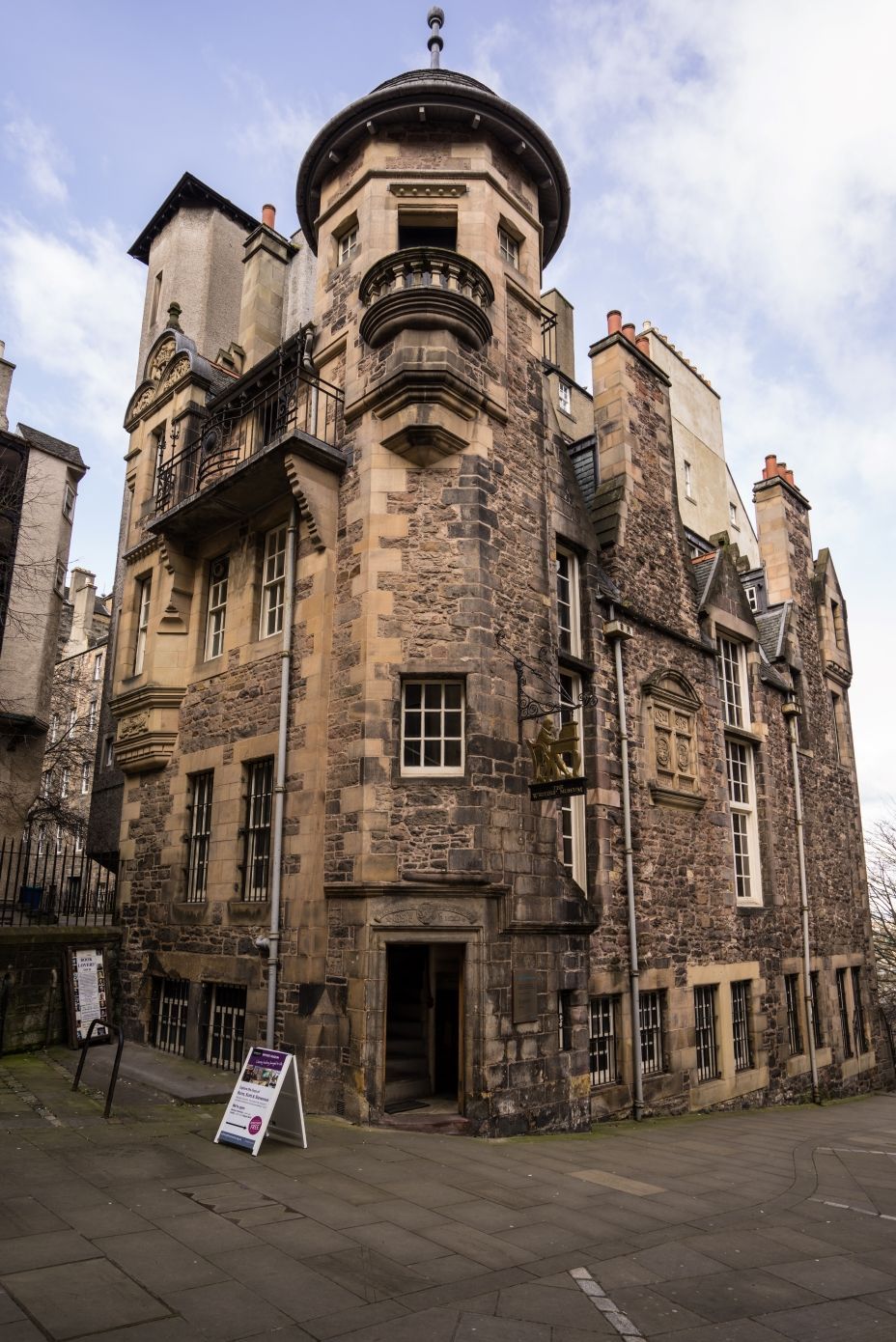
Lady Stair’s House occupies one of the most atmospheric closes off the Royal Mile. Built in 1622 for Sir William Gray of Pittenweem, it later became associated with the Dalrymple family — whose tragic domestic history was widely known in Scotland
The building’s later name derives from Elizabeth, Dowager Countess of Stair, who lived here in the early eighteenth century. By Scott’s lifetime the name “Stair” was already bound up with one of Scotland’s most haunting historical stories — the fate of Janet Dalrymple.
That story, involving a young woman forced into marriage against her will and driven to madness on her wedding night, was one of the historical sources that Scott drew upon when writing The Bride of Lammermoor (1819).
Today the house contains the Writers’ Museum, where artefacts connected with Scott’s life — including items once belonging to his Castle Street household — are preserved.
Historical Context
The tragedy of Janet Dalrymple took place in 1669. She had secretly pledged herself to Lord Rutherford, but family and political pressures forced her into marriage with another suitor, David Dunbar.
The marriage ended in catastrophe: Dunbar was violently attacked on their wedding night and Janet herself died soon afterwards following a mental collapse.
The story became part of Scottish historical folklore. Scott was well aware of it, and it provided the narrative foundation for The Bride of Lammermoor, one of the darkest of the Waverley Novels.
While the events themselves did not occur at Lady Stair’s House, the association of the Dalrymple name with the building meant that the story lingered in the cultural memory attached to the close.
Scott Here
Scott frequently walked through the Old Town and would certainly have known Lady Stair’s Close and the house associated with the Dalrymple name.
By the nineteenth century the tragic history of Janet Dalrymple had already become part of Scotland’s historical imagination. Scott reworked the story in The Bride of Lammermoor, transforming Janet into Lucy Ashton and her lover into Edgar Ravenswood.
The novel’s climactic wedding-night scene — one of the most disturbing passages in Scott’s fiction — echoes the remembered tragedy that had attached itself to the Dalrymple family.
The story became part of Scottish historical folklore. Scott was well aware of it, and it provided the narrative foundation for The Bride of Lammermoor, one of the darkest of the Waverley Novels.
“Her eyes were glazed, and her features convulsed into a wild paroxysm of insanity.”
—The Bride of Lammermoor(1819)
The Bigger Theme
History Transformed into Fiction
Lady Stair’s House illustrates one of Scott’s characteristic creative processes: the transformation of historical anecdote into narrative drama.
Scott rarely invented his stories from nothing. Instead he drew on family histories, local traditions and half-remembered events, reshaping them into fiction that captured the emotional truth of the past.
The Dalrymple tragedy became, in Scott’s hands, the tragic heart of The Bride of Lammermoor.
Literary Connections
The Bride of Lammermoor (1819)
The novel reimagines the Dalrymple story through the doomed love of Lucy Ashton and Edgar Ravenswood. The infamous wedding-night scene — where Lucy is discovered in a state of madness after attacking her husband — echoes the historical legend that surrounded the Dalrymple family.
What to Notice On Site
• The enclosed courtyard of Lady Stair’s Close
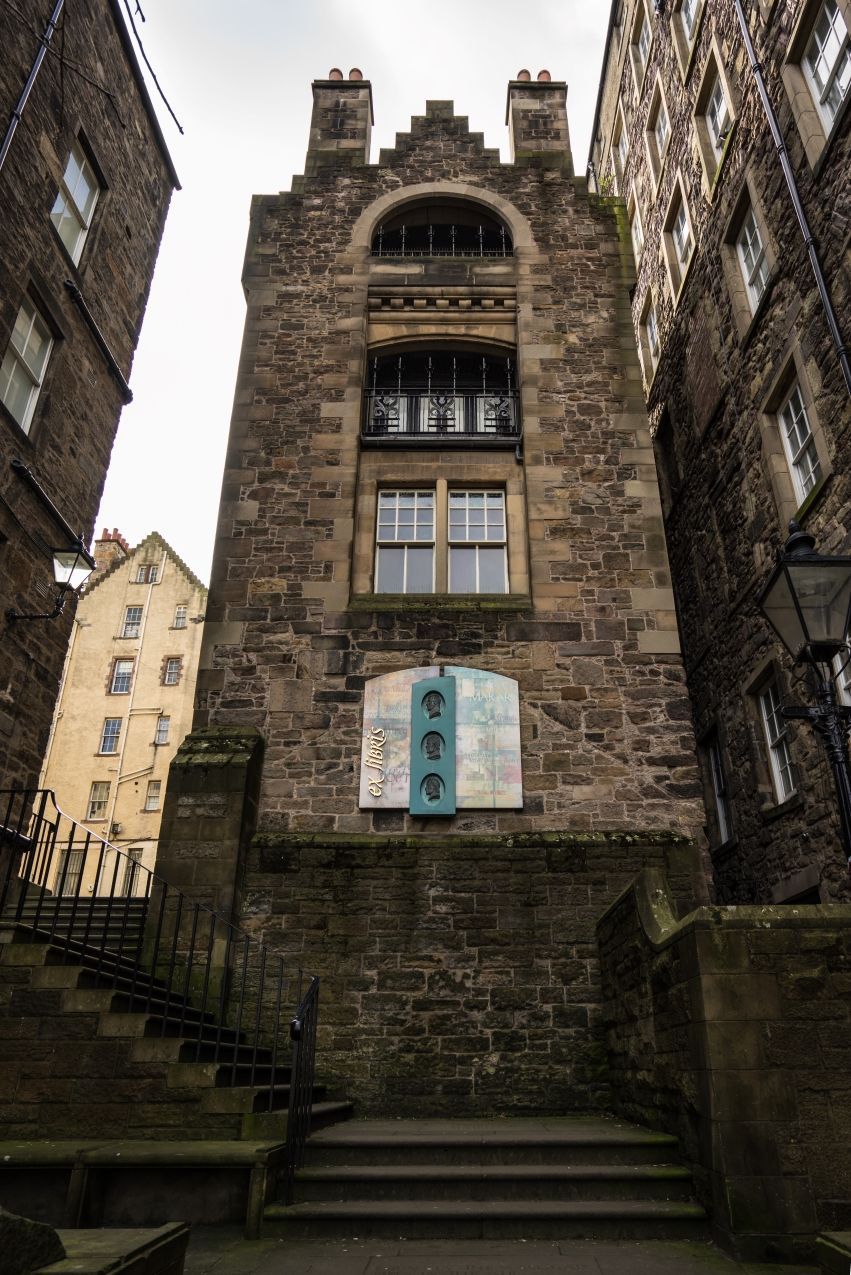
• The seventeenth-century façade of the house
• The contrast between the quiet close and the bustle of the Royal Mile
• The Writers’ Museum displays relating to Scott
• One particularly evocative object displayed in the museum is a set of Sir Walter Scott’s dining furniture. It was purchased at the Castle Street sale in March 1826 by Scott’s solicitor, John Gibson, WS, during the period when Scott was selling possessions to address his financial crisis following the collapse of Archibald Constable & Co. The furniture eventually found its way into the Writers’ Museum collection and now sits within Lady Stair’s House, quietly reconnecting the building with Scott’s own domestic life. Though presently in storage and not currently displayed.
Questions to Consider
• How did Scott transform real historical tragedies into literary narratives?
• Why do stories attached to places persist in cultural memory?
• What happens when historical anecdote becomes fiction?
Further Reading
J. G. Lockhart —
Memoirs of the Life of Sir Walter Scott
David Hewitt (ed.) —Scott on Himself
Walter Scott —The Bride of Lammermoor
Museums & Galleries Edinburgh — Writers’ Museum materials
The Honourable Lord Stewart, Sir Walter Scott: Law and Imagination, Stair Society Annual Lecture (2020).
Dr Lucy Wood -Scenes from the Waverley Novels
Did You Know?
Scott’s writing cabinet, made around 1775 for his father’s house at 25 George Square, was given by Scott to his solicitor John Gibson on 9 March 1826, filled with financial papers relating to his debts. The cabinet survives and is now privately owned.
Official Website
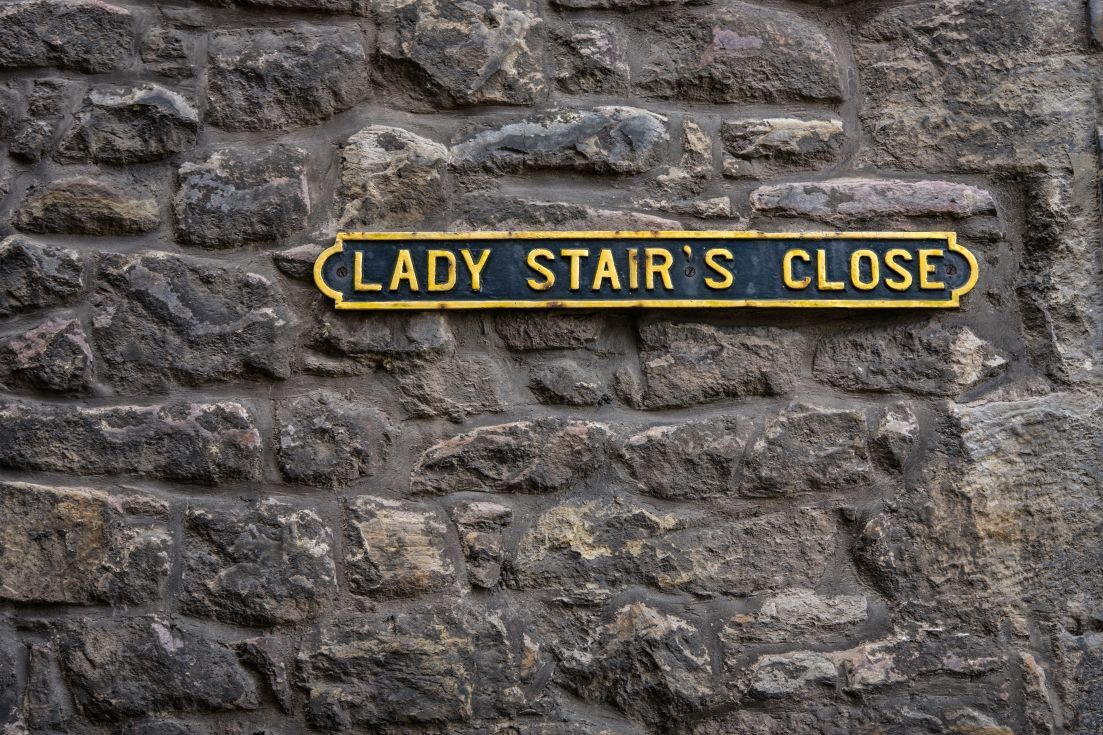
Image credits: Lee Live: Photographer