
Walking Tour: Stop 9
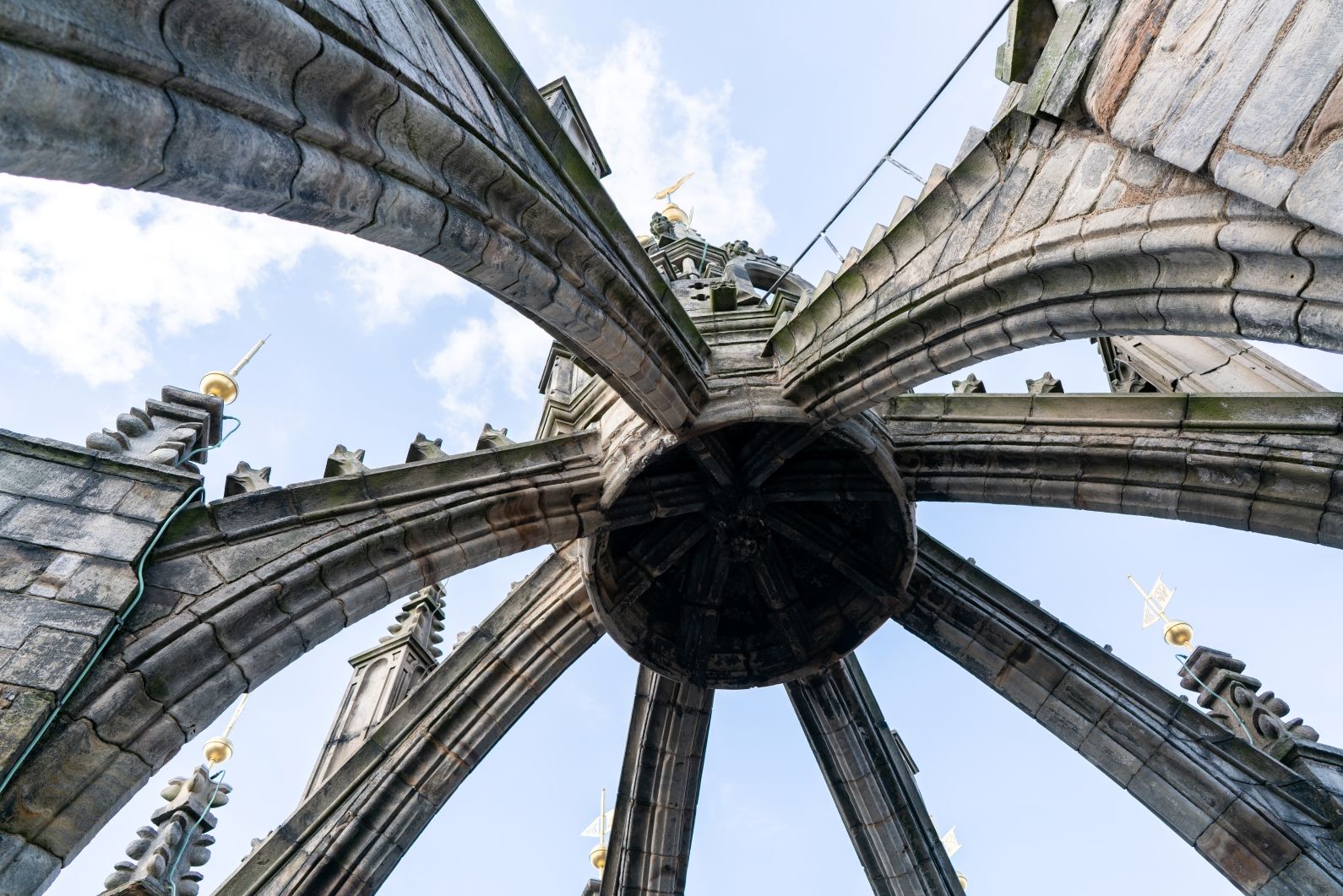
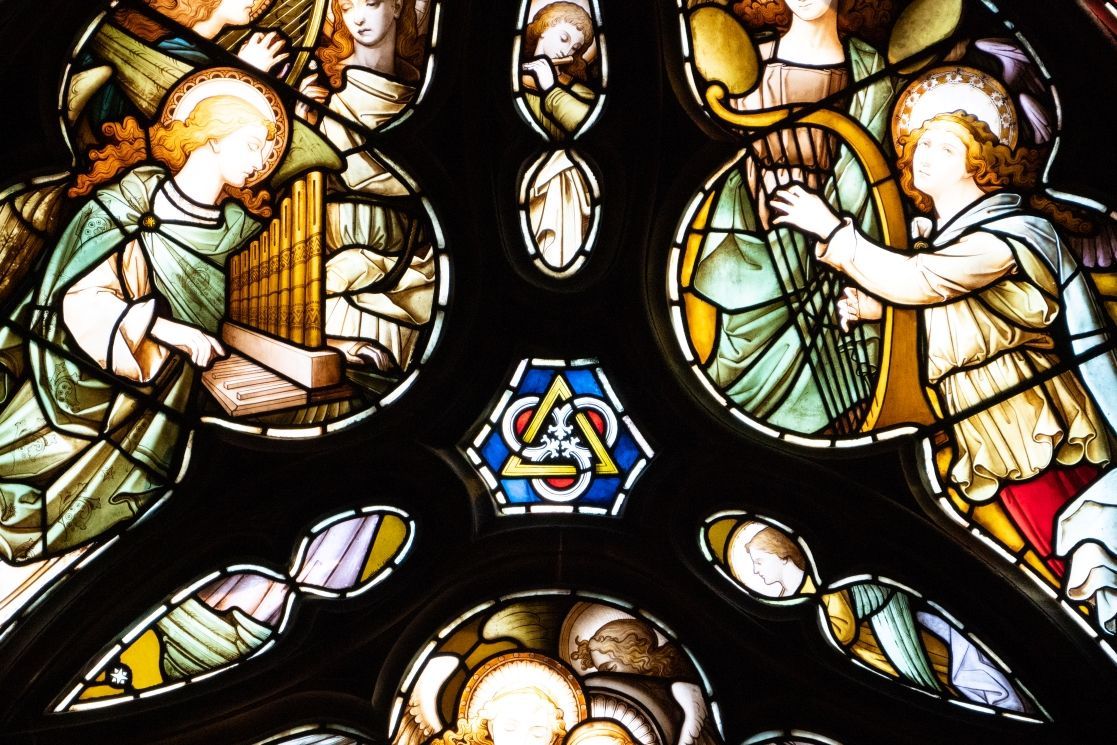
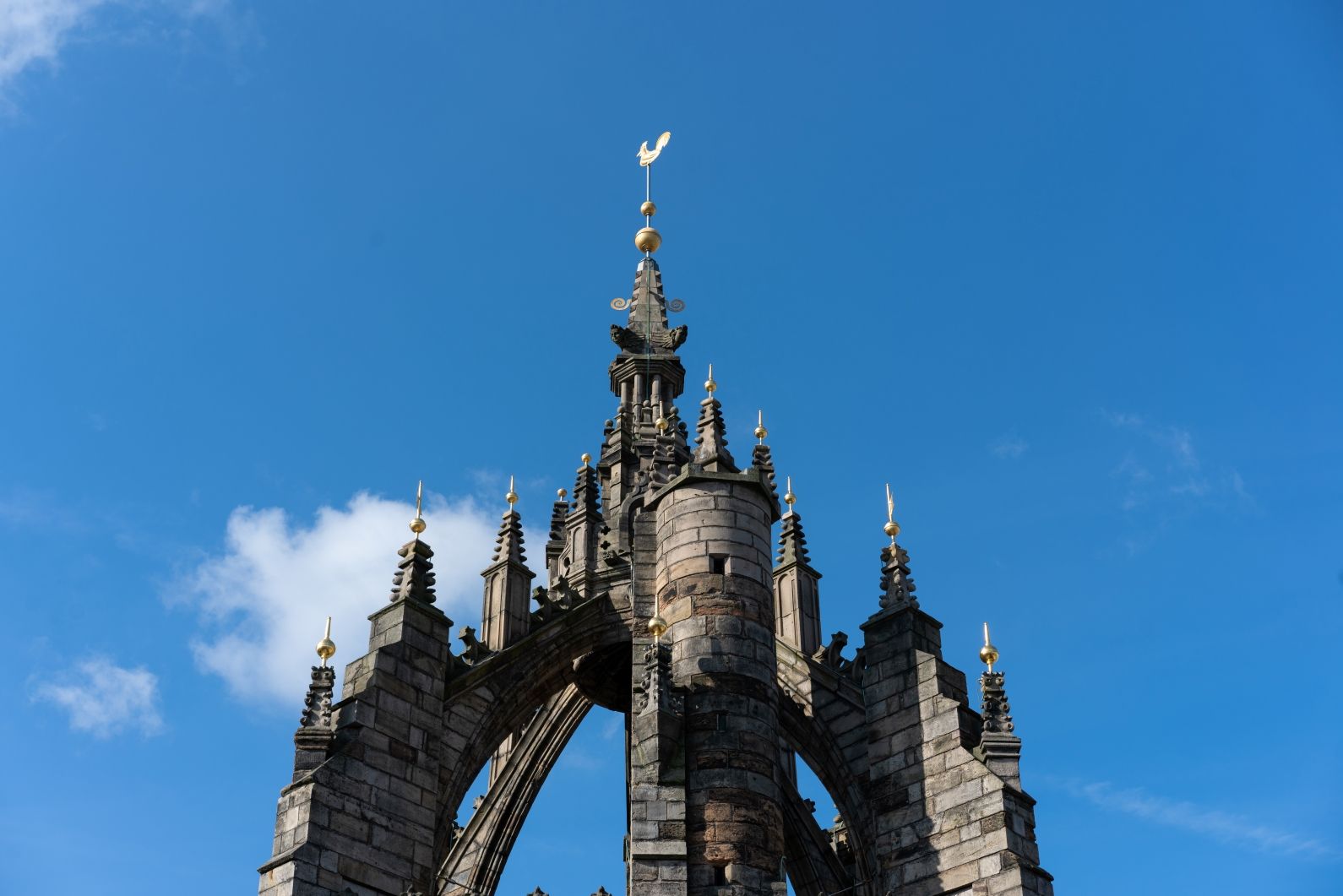
St Giles’ Cathedral
High Street, EH1 1RE

Principal church of Edinburgh’s civic and legal community during Scott’s lifetime.
GPS Coordinates: 55°56'58.1"N 3°11'29.0"W
Scott Connection:
Principal site of public religious commemoration of Scott, including the 1932 Centenary service and the 2021 250th Anniversary national service.
Date Range Relevant to Scott: Lifelong Edinburgh association; major commemorations in 1932 (Centenary) and 2021 (250th Anniversary).
Current Status:
Active parish church and national ceremonial venue; open to visitors.
Accessibility:
Step-free access available; interior largely accessible; consult cathedral guidance for specific details.
Opening Times:
Published on official St Giles’ Cathedral website (varies by season and service schedule).
Audio guide narrated by Alasdair Hutton
Why This Place Matters
St Giles’ Cathedral represents the civic-religious heart of Edinburgh — and therefore the symbolic centre of Scotland’s public memory. Scott’s life intersected constantly with Parliament Square and the High Street, but St Giles is where the city ritually gathered to interpret his meaning.
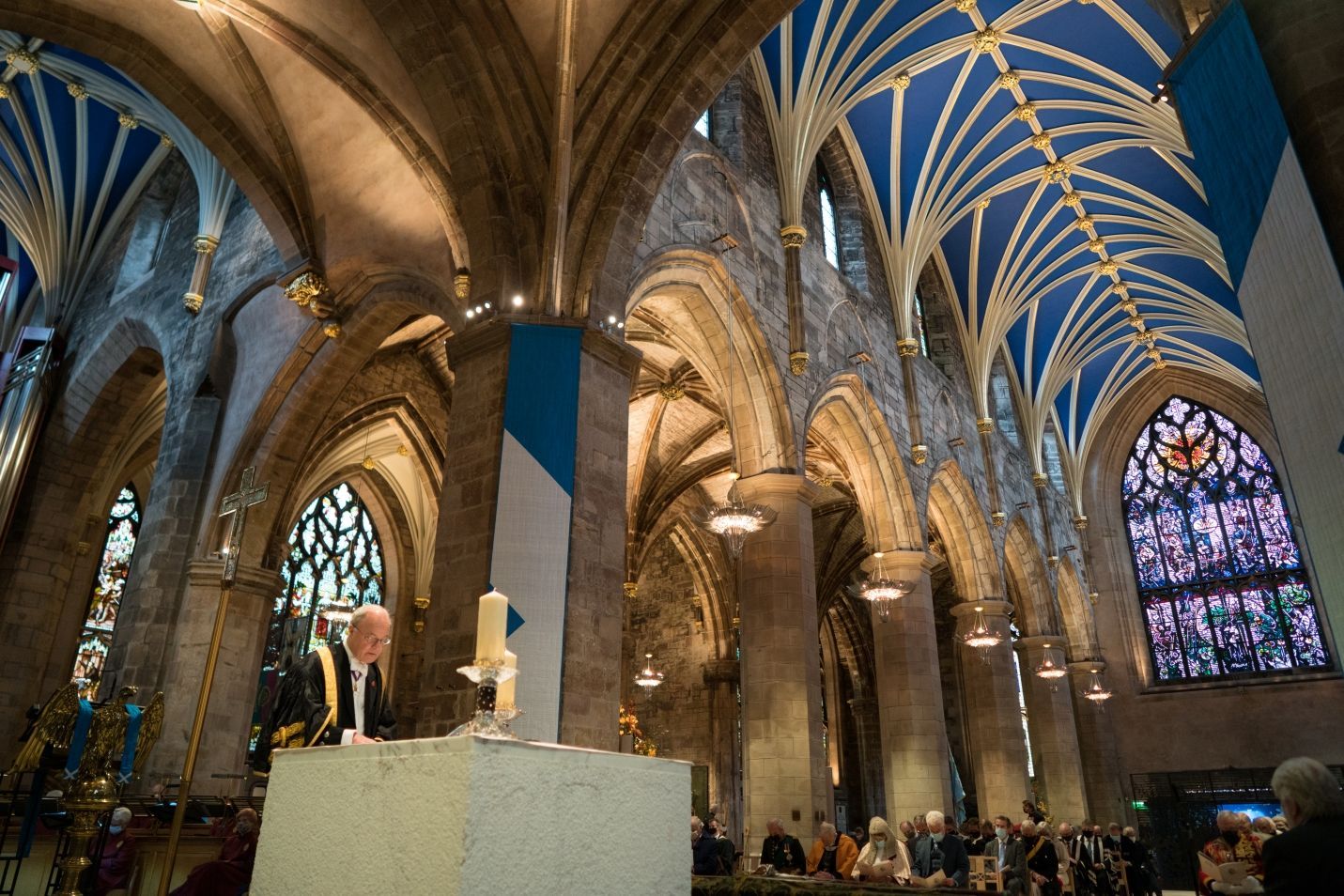
The 1932 Centenary service marked one hundred years since Scott’s death and framed him not merely as a novelist but as a national figure. Hugh Walpole’s reflection on that occasion describes the procession and the quiet dignity of the service, culminating in the moment when pipers played beneath Scott’s monument . The cathedral was again the focal point for the 250th Anniversary service in 2021, which blended scripture, music inspired by Scott’s works, readings from The Lay of the Last Minstrel and The Heart of Midlothian, and selections from his Journal .
St Giles is not where Scott wrote — but it is where Scotland has repeatedly chosen to remember him.
Historical Context
In Scott’s lifetime, St Giles stood at the centre of Old Town Edinburgh — adjacent to Parliament House, the Signet Library, and the civic courts. It embodied the Presbyterian religious establishment of Scotland while standing amid the legal and political institutions that shaped Scott’s professional life.
By the nineteenth and twentieth centuries, St Giles had evolved into a site of national ceremonial significance. The 1932 Centenary service emphasised civic procession and national gratitude. The 2021 250th service demonstrated Scott’s continuing cultural reach, incorporating Berlioz’s Rob Roy Overture, Rossini’s La donna del lago, Schubert’s setting from The Lady of the Lake, and readings from Scott’s own Journal. The cathedral thus became the stage upon which Scott’s religious, literary, and national identities were publicly reconciled.
Scott Here
There is no evidence that St Giles was a place of regular worship central to Scott’s private devotional life; his connections were more civic than personal. Its importance arises from proximity to Parliament House and from its role in public ceremony.
In 1932, the Centenary commemorations involved a dignified procession and a service marked by music and readings, followed by tribute at the Scott Monument . In 2021, the 250th Anniversary service included Psalm 100, readings in Scots (Lorimer’s translation), excerpts from The Lay of the Last Minstrel, The Heart of Midlothian, and Scott’s Journal entry of 22 January 1826 — the moment of financial catastrophe and renewed resolve .
The cathedral has therefore become the interpretative chamber through which successive generations read Scott.
The Bigger Theme:
Civic Religion and National Memory
St Giles demonstrates how Scott moved from author to symbol. Within this space, literature is framed liturgically — poetry, prose, ballad, and scripture placed side by side. The services reveal how Scotland has repeatedly integrated Scott into its moral and cultural narrative, presenting him as writer, patriot, and public figure.
The cathedral embodies the transformation of literary reputation into civic heritage.
Literary Connections
•
The Lay of the Last Minstrel— read at the 2021 service; central to Scott’s poetic identity
•The Lady of the Lake— inspired Rossini and Schubert settings performed in commemoration
•The Heart of Midlothian— Jeanie Deans’ plea read in liturgical context
• Scott’s Journal
(22 January 1826) — public reading of private resolve
The cathedral thus becomes a site where text is re-performed as national inheritance.
What to Notice On Site
• Its position within Parliament Square
• The proximity to Parliament Hall and the Signet Library
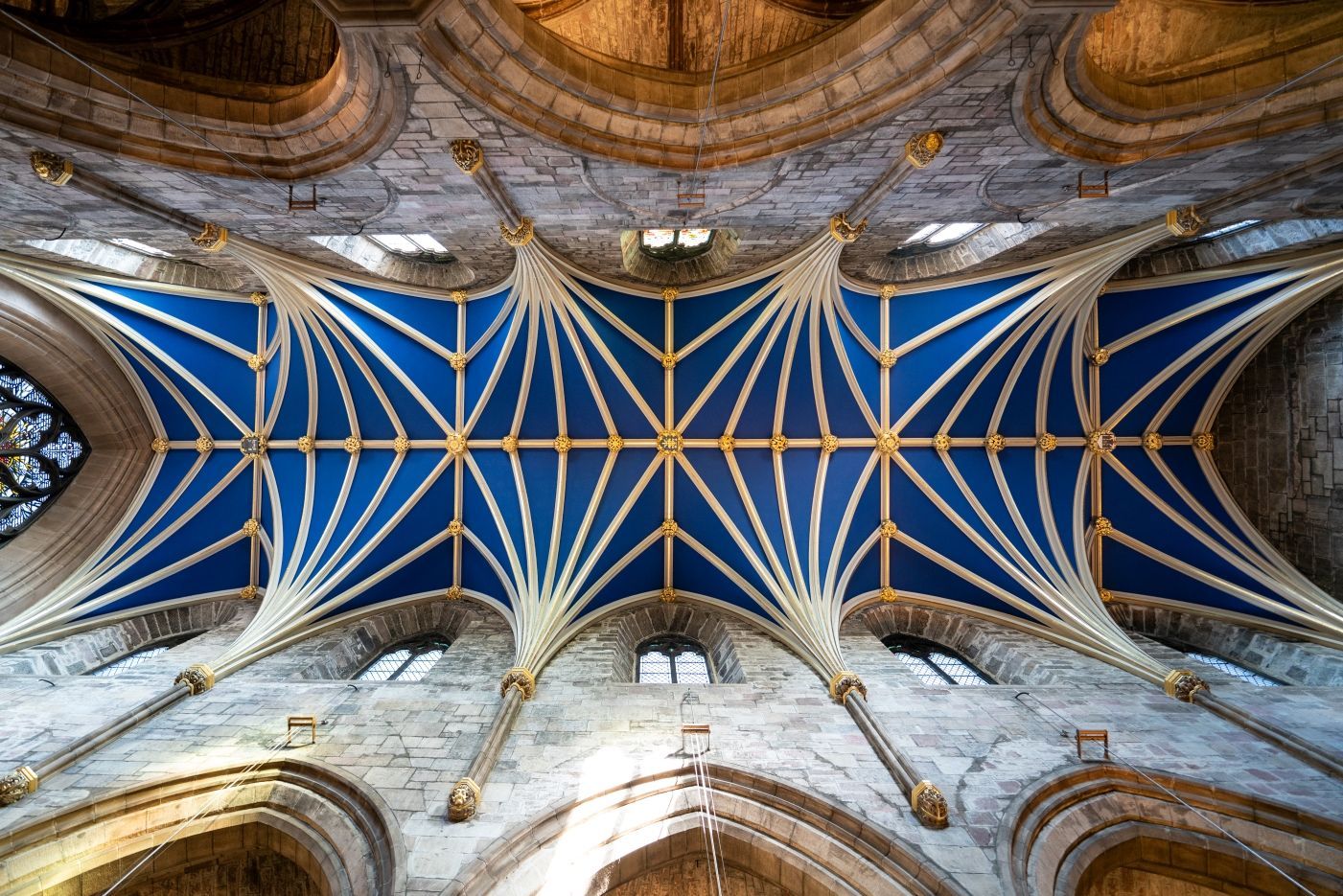
• The scale of the nave — suited to public ceremony
• The way civic and religious architecture interlock in this part of the Old Town
Stand outside and observe how church, court, and law courts form a compact institutional triangle. This is the civic ecosystem within which Scott lived his “double life”.
Questions to Consider
- How does public commemoration reshape a writer’s legacy?
- Why has Scotland chosen a church setting to frame Scott’s national significance?
- What does it mean for literature to be read liturgically?
Further Reading
J. G. Lockhart,
Memoirs of the Life of Sir Walter Scott
David Hewitt (ed.), Scott on Himself
Hugh Walpole,
St. Giles and the Procession
[Order of Service], Sir Walter Scott 250th Anniversary, St Giles’ Cathedral (2021)
Official Website

Images courtesy of Lee Live: Photographer / St. Giles Rooftop / 2021 Anniversary Service