
Walking Tour: Stop 11
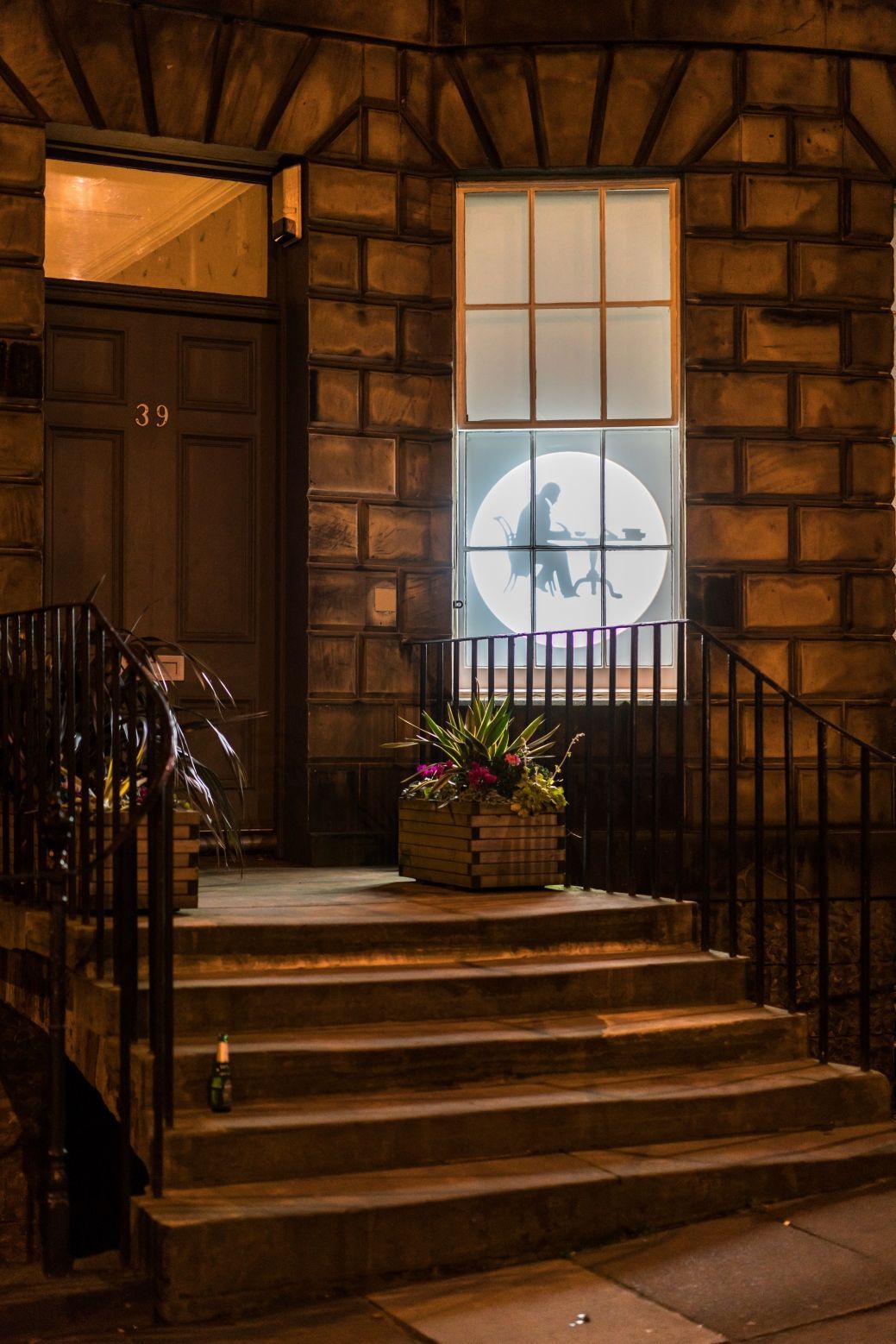
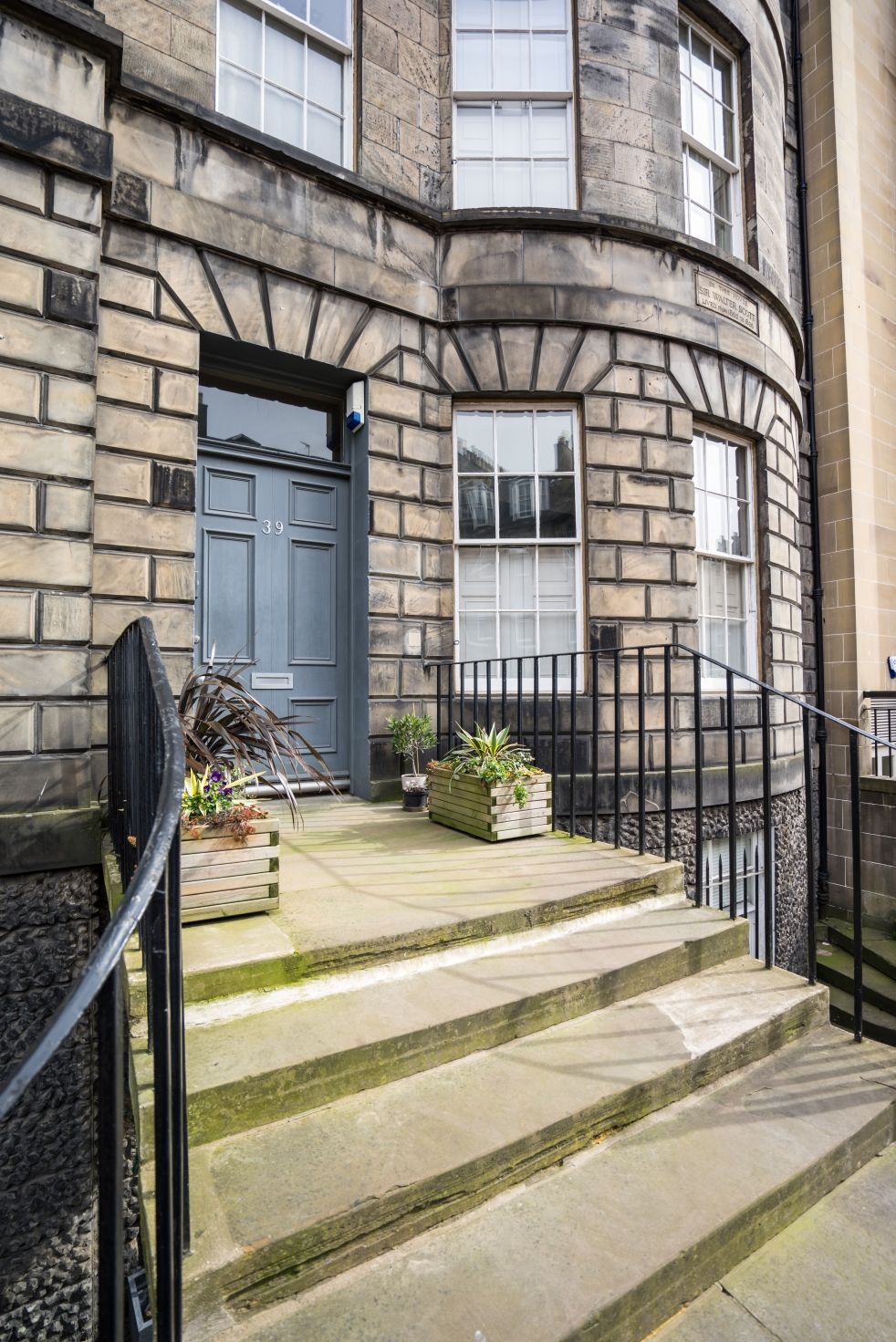
39 Castle Street
North Castle Street, EH2 3BG

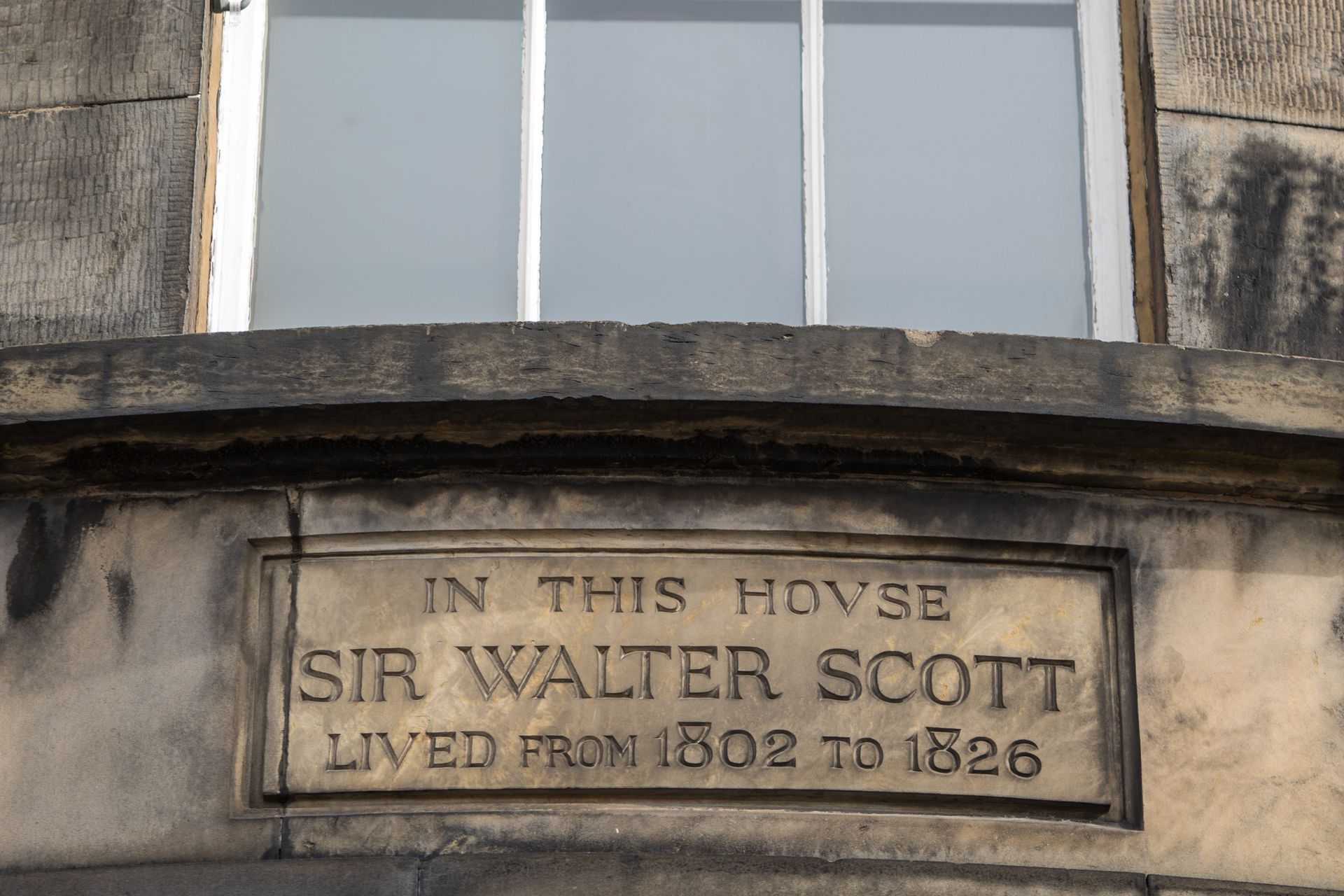
Scott’s residence (1802–1826); written here: the Waverley novels.
GPS Coordinates: 55°57'10.4"N 3°12'12.2"W
Scott Connection:
Principal Edinburgh residence of Sir Walter Scott from 1801 until its sale in 1826 following financial collapse; site of composition of the Waverley Novels.
Date Range Relevant to Scott: 1801–1826
Current Status:
Private residence (exterior viewing only).
Accessibility:
Exterior publicly visible; interior access by private invitation only.
Audio guide narrated by Alasdair Hutton
Why This Place Matters
39 Castle Street is the compositional nucleus of the Waverley Novels and the single most important literary address in Edinburgh. From this New Town house, Scott produced the works that transformed the historical novel and established his international reputation.
Between 1801 and 1826, Scott balanced his legal career with an extraordinary literary output. Within these walls were written: Waverley, Guy Mannering, The Antiquary, Old Mortality, Rob Roy, The Heart of Midlothian, The Bride of Lammermoor, Ivanhoe and numerous further novels and poems through to 1826.
The house hosted an impressive circle of visitors — writers, politicians, antiquaries, and members of the Scottish nobility. It was here that Scott’s double life — salaried legal officer by day, anonymous novelist by night — reached its fullest expression.
Historical Context
Castle Street formed part of the planned Georgian New Town, an environment defined by symmetry, order, and rational urban design. Scott’s residence here placed him among Edinburgh’s professional elite while maintaining daily proximity to Parliament House and the Advocates’ Library.
In 1826, the collapse of the publishing firm of Archibald Constable and the Ballantyne printing business resulted in Scott assuming responsibility for debts amounting to over £100,000. The sale of 39 Castle Street was one of the most painful consequences of that financial crisis.
The house thus stands at the intersection of creative triumph and economic catastrophe.
Scott Here
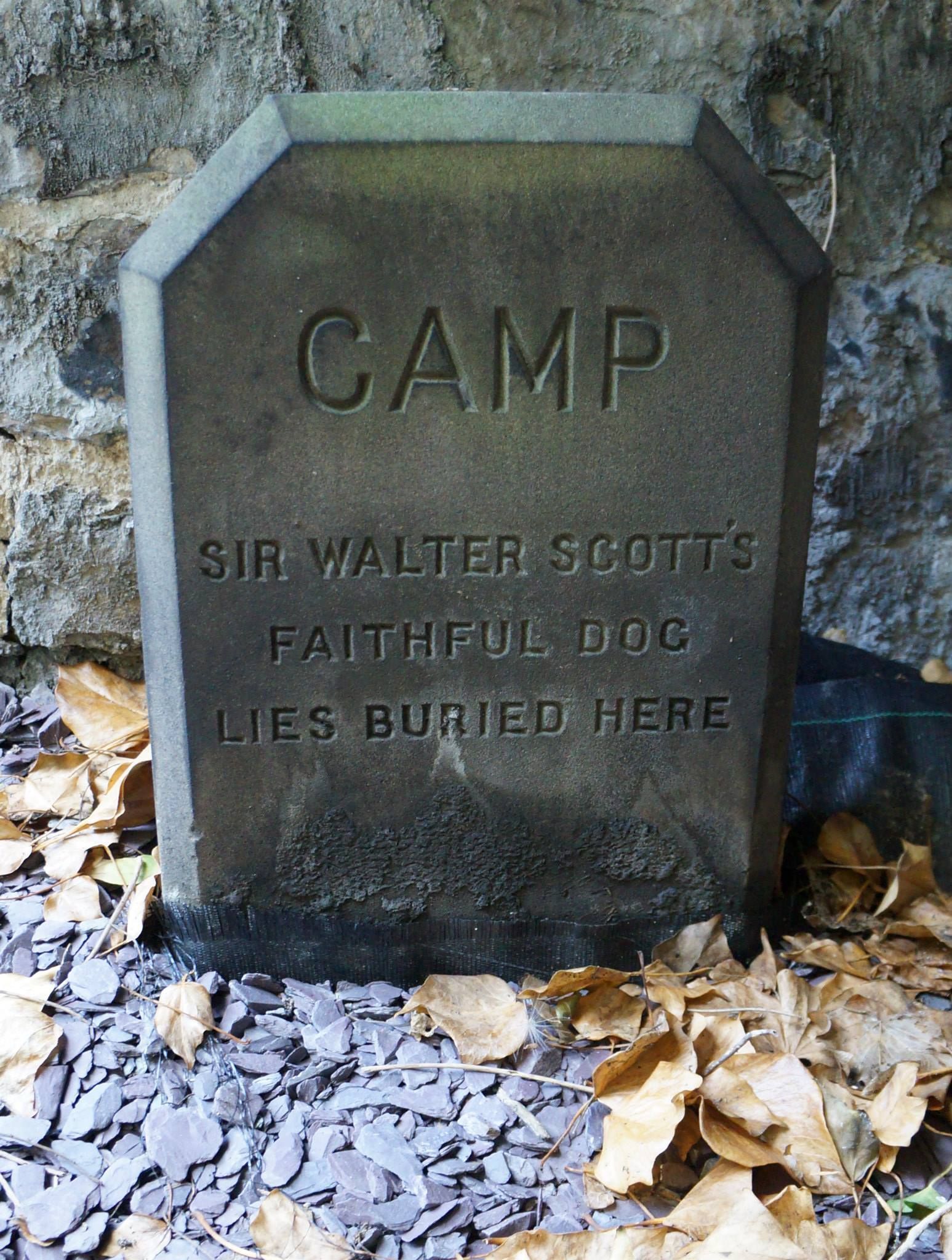
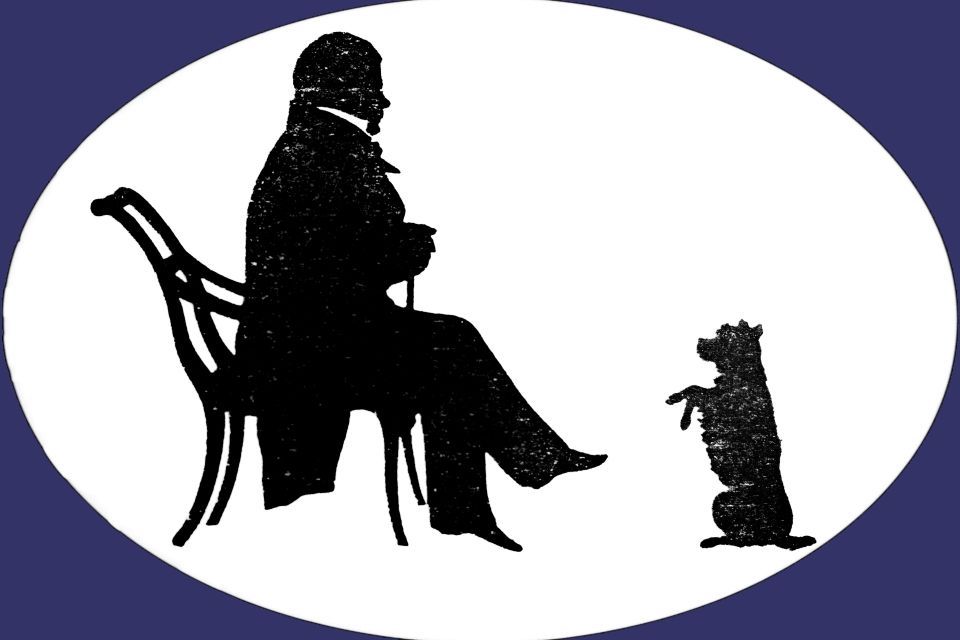
Scott moved into Castle Street in 1801. The room in which he composed many of the Waverley Novels is now the rear kitchen of the house, overlooking the garden. It is a quieter aspect of the property than the street-facing rooms and looks out towards the site where Camp is buried.
Accounts describing a “ghostly hand” seen writing by candlelight likely refer to observations made from windows on the north side of George Street, which overlook the rear of number 39 rather than the street frontage itself.
The anonymity of the early Waverley novels was maintained during these years. For over a decade, the “Author of Waverley” was a literary enigma — even as the books were being written in plain view of Edinburgh society.
The house also became a centre of hospitality and intellectual exchange.
In August 2013, the present owners, Professor Richard Wiseman and Professor Caroline Watt, generously invited members of the Edinburgh Sir Walter Scott Club to a private tour of the property — a rare opportunity to reconnect the Club with one of its most important physical sites. The invitation has since been renewed, reinforcing the continuity between past and present custodianship.
During the Castle Street years Scott was a devoted walker and commonly at work into late hours. One small but evocative reminder of his daily life at this house is preserved in the form of his worn pair of slippers, now held in museum care and occasionally on loan for display. These slippers — reported to have been left behind when Scott finally departed Castle Street — give a human scale to a residence otherwise known for its monumental literary output.
During his years at
39 Castle Street, Sir Walter Scott endured repeated attacks of severe abdominal pain now thought to have been caused by gall-stones. Contemporary letters describe episodes of “cramp in the stomach” so intense that he sometimes fainted. One attack in March 1817 struck during a dinner party at the house, forcing Scott to leave the table in agony and retire to bed, alarming his guests. Yet these painful years were also among the most productive of his literary career. While living and working at Castle Street he wrote several of the great Waverley novels, including
Rob Roy, The Heart of Midlothian, The Legend of Montrose, The Bride of Lammermoor,
and
Ivanhoe. Despite illness that returned every few weeks, Scott continued to write relentlessly in his study overlooking Edinburgh, demonstrating the extraordinary discipline that made him one of the most prolific authors of his age.
The Bigger Theme:
Industrialised Authorship within Enlightenment Geometry
39 Castle Street represents the transformation of literary production. Within a rational Georgian townhouse, Scott developed a disciplined, almost industrial rhythm of composition.
This was not the solitary Romantic garret. It was structured productivity — manuscripts produced at pace within a stable domestic setting, supported by clerks, printers, and publishers.
The house demonstrates how Enlightenment urban order framed Romantic historical imagination.
Literary Connections
Composed here (1801–1826):
•
Waverley
(1814)
• Guy Mannering
(1815)
•The Antiquary
(1816)
•Old Mortality
(1816)
•Rob Roy
(1817)
•The Heart of Midlothian
(1818)
•The Bride of Lammermoor
(1819)
• Ivanhoe (1819)
These works established Scott as the leading historical novelist in Europe.
The site is not a fictional setting; it is the physical locus of creation.
What to Notice On Site
• The Georgian façade and strict symmetry of Castle Street.
• The axial view toward Edinburgh Castle from the street.
• The contrast between the ordered New Town exterior and the imaginative worlds created inside.
• The proximity to Princes Street and The Mound — linking domestic and professional spheres.
Behind the façade, in a quieter rear room overlooking the garden, Scott composed the novels that transformed European fiction.
Questions to Consider
- How did anonymity shape Scott’s productivity during these years?
- Does the rational order of the New Town contradict or support Romantic imagination?
- What does it mean for a global literary movement to emerge from a Georgian townhouse?
Further Reading
- J. G. Lockhart, Memoirs of the Life of Sir Walter Scott
- David Hewitt (ed.), Scott on Himself
- Jenny Uglow, Sir Walter Scott: The Making of the Novelist
- Carol McGuirk, Scott’s Last Legacy: The Power of Identity in Waverley
- Andrew Lang, Sir Walter Scott
- Hesketh Pearson, Walter Scott: His Life and Personality
- Louis J. Budd, Sir Walter Scott: A Literary Life
- Jane Millgate, Walter Scott: The Making of the Novelist
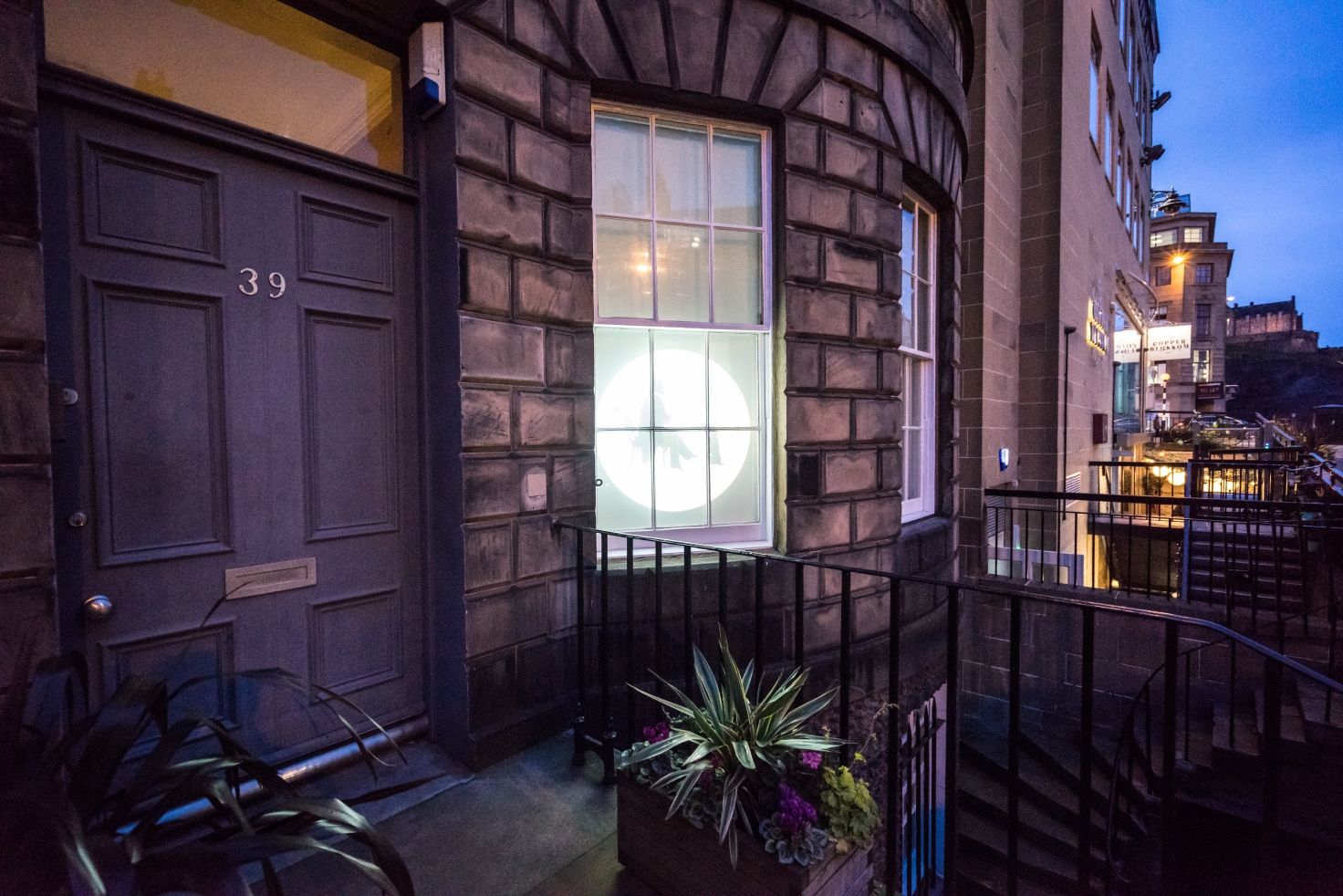
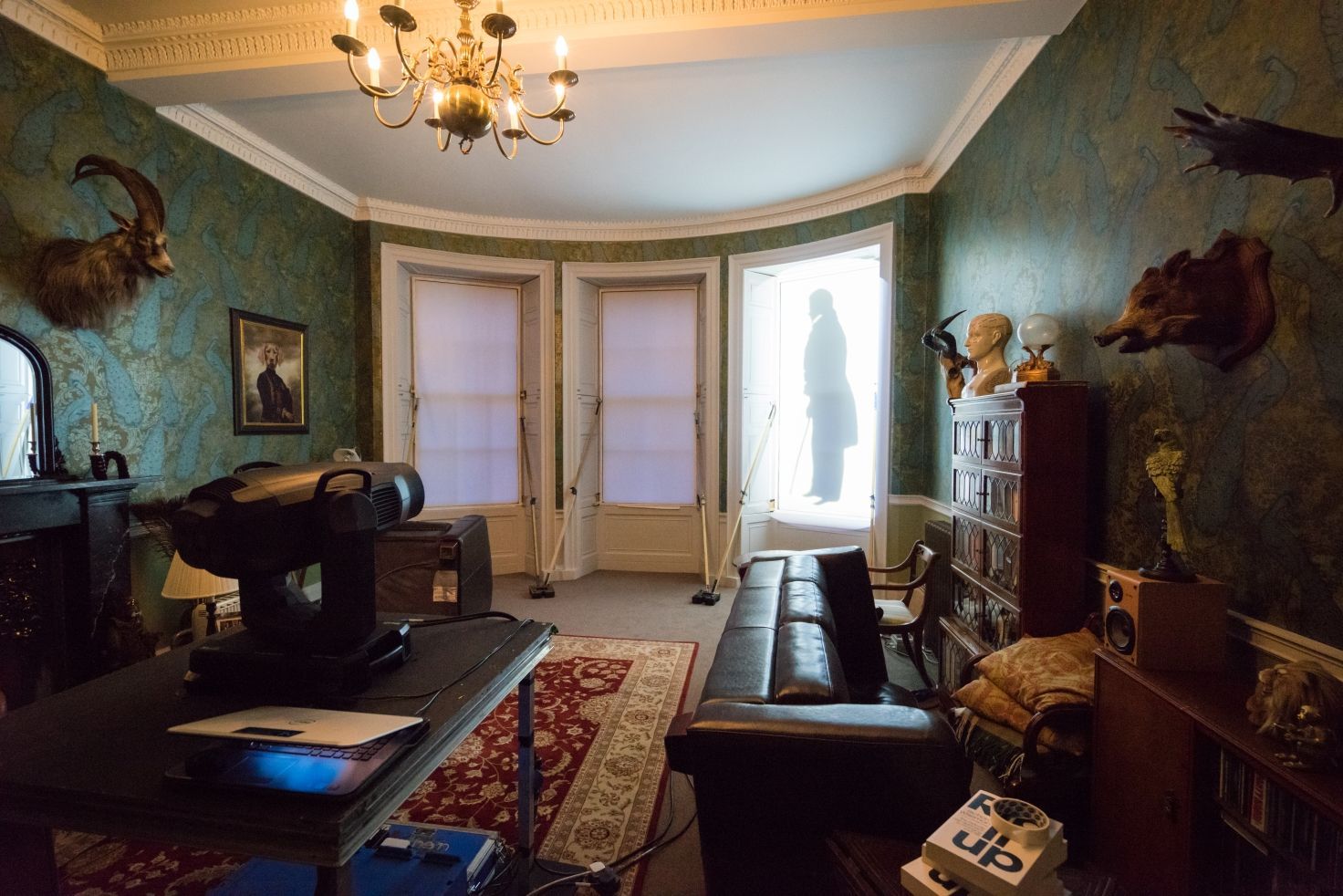
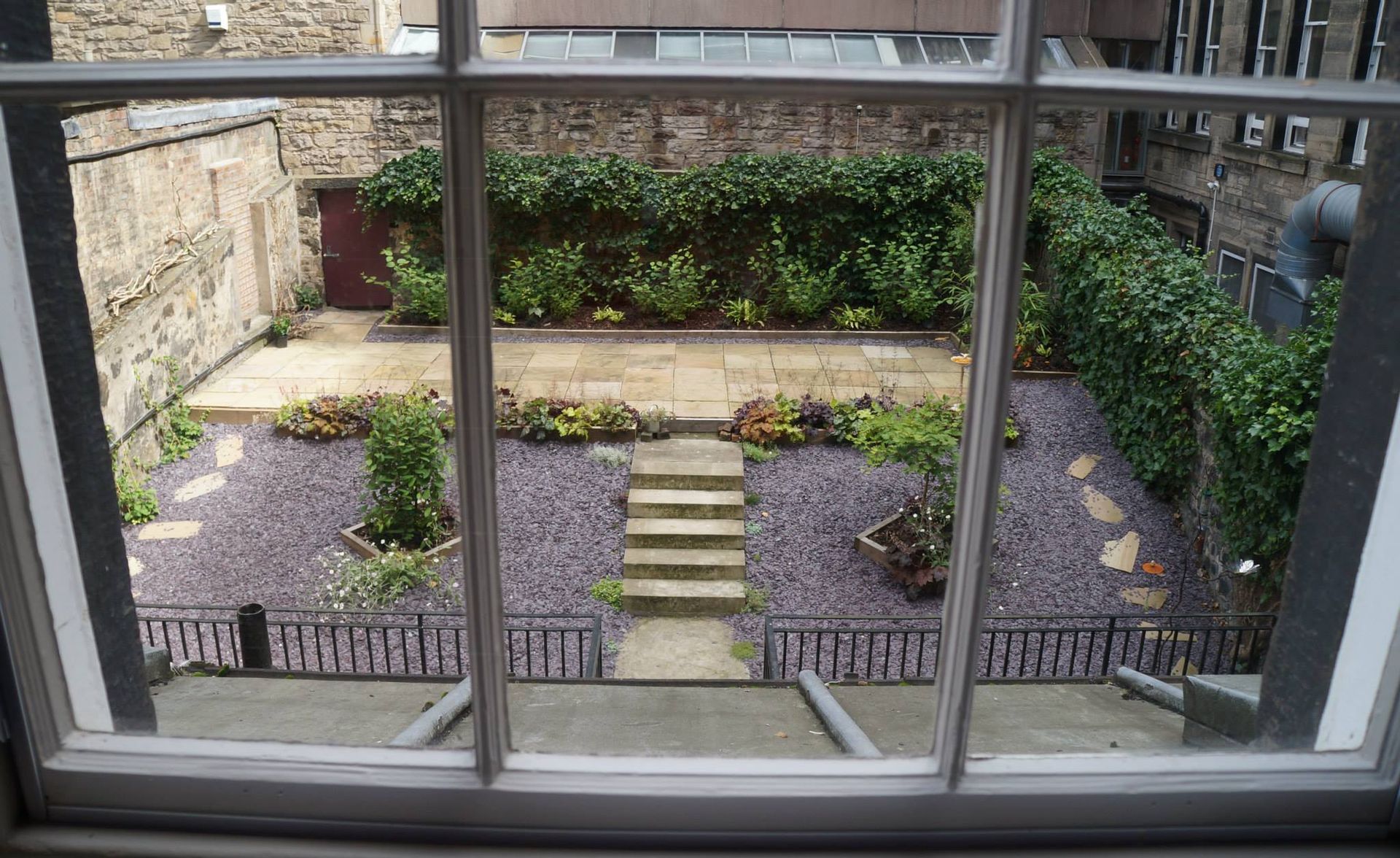
Images courtesy of Lee Live: (Photographer) with permission of Richard and Caroline.
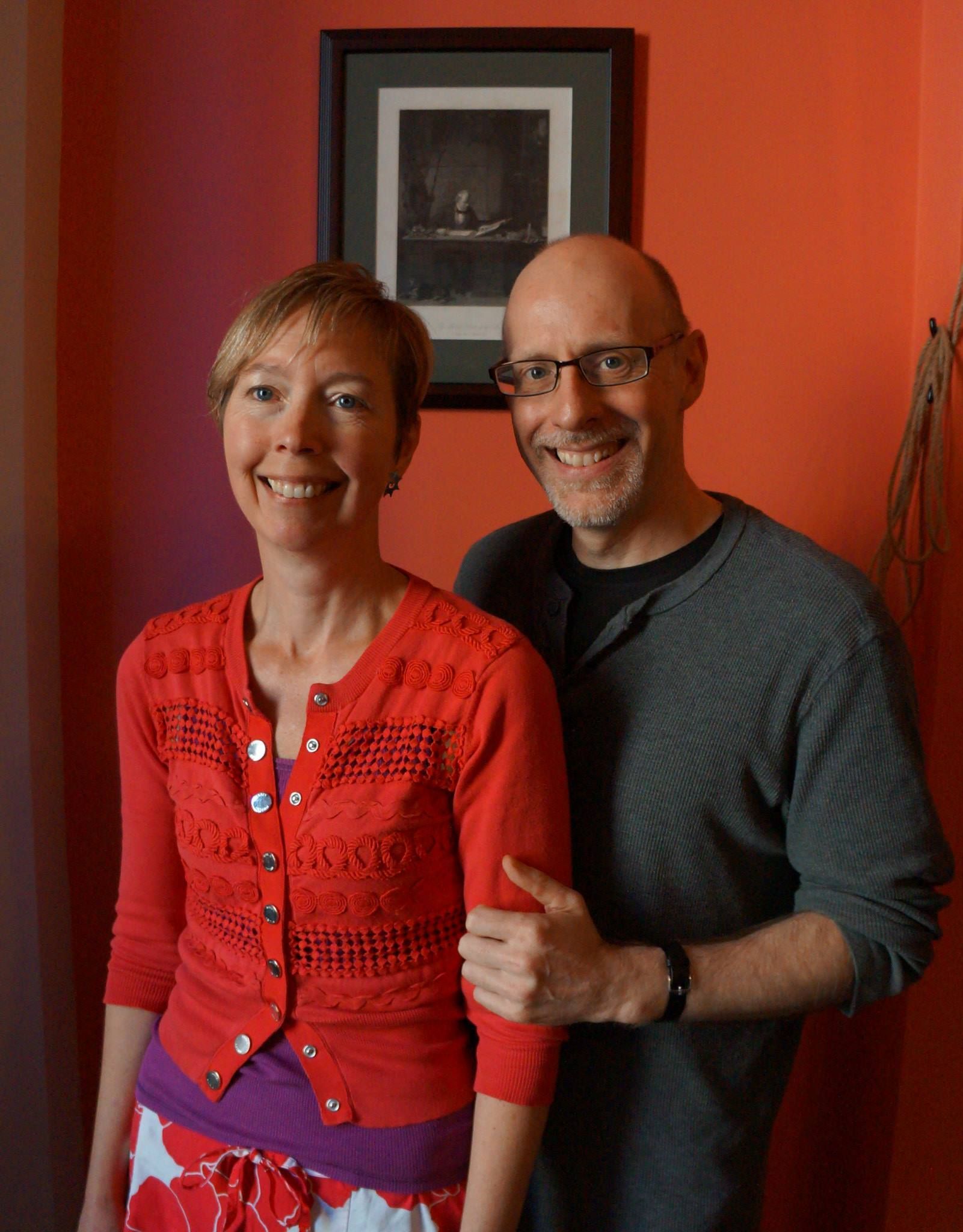
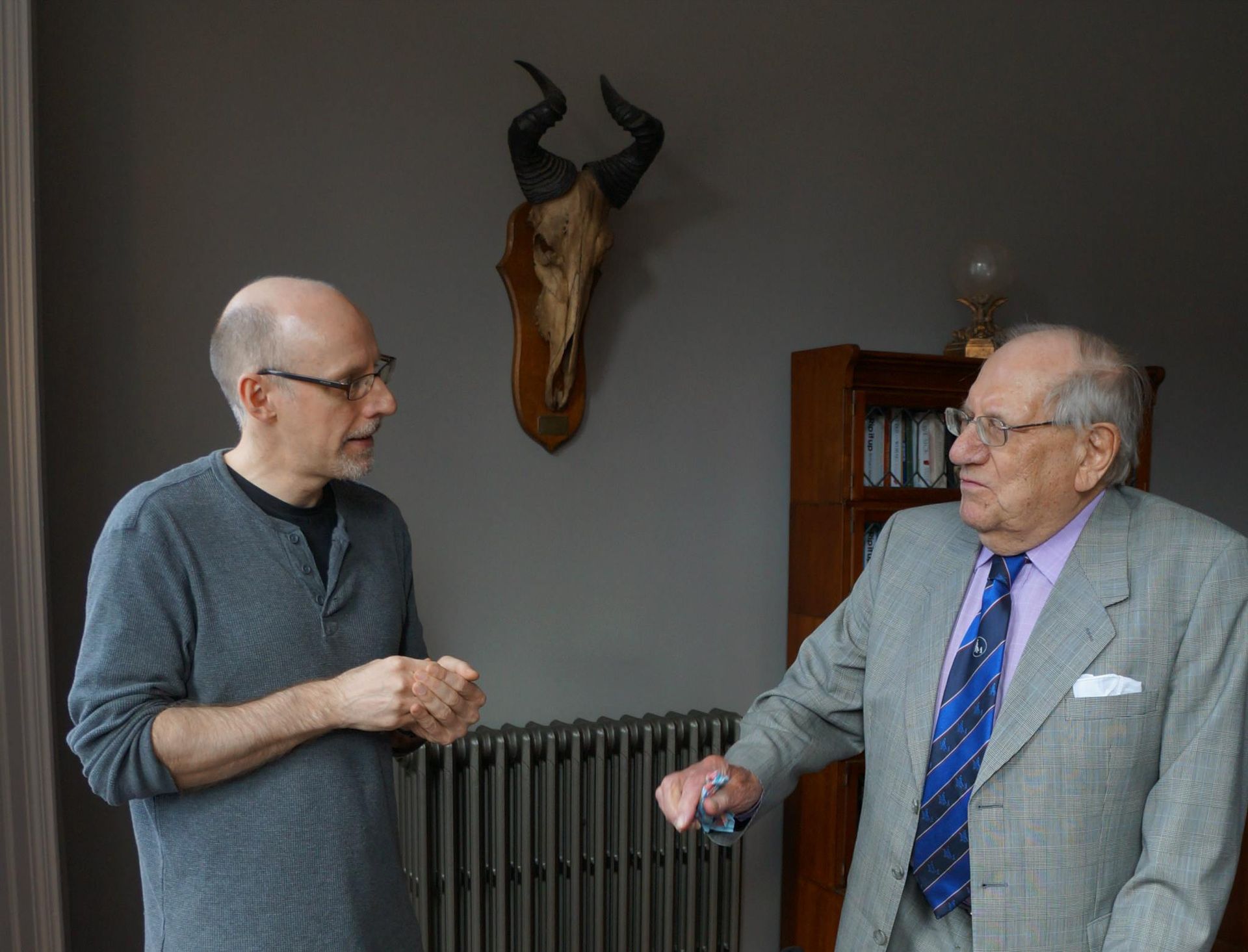
Richard Wiseman and Paul Henderson Scott in 2013