
Walking Tour: Stop 6
National Library of Scotland
George IV Bridge, EH1 1EW

Repository of Scott manuscripts and related archival material.
GPS Coordinates: 55°56'54.7"N 3°11'31.0"W
Scott Connection:
Custodian of major Sir Walter Scott manuscripts, including Waverley, Redgauntlet, Rob Roy, and the Interleaved “Magnum Opus” set.
Date Range Relevant to Scott: Scott’s lifetime (as Curator of the Advocates’ Library, 1796 onwards) and continuing institutional stewardship through the twentieth and twenty-first centuries.
Current Status:
National research library and exhibition venue; open to the public.
Accessibility:
Step-free access available; reading rooms subject to registration; consult official guidance.
Audio guide narrated by Alasdair Hutton
Why This Place Matters
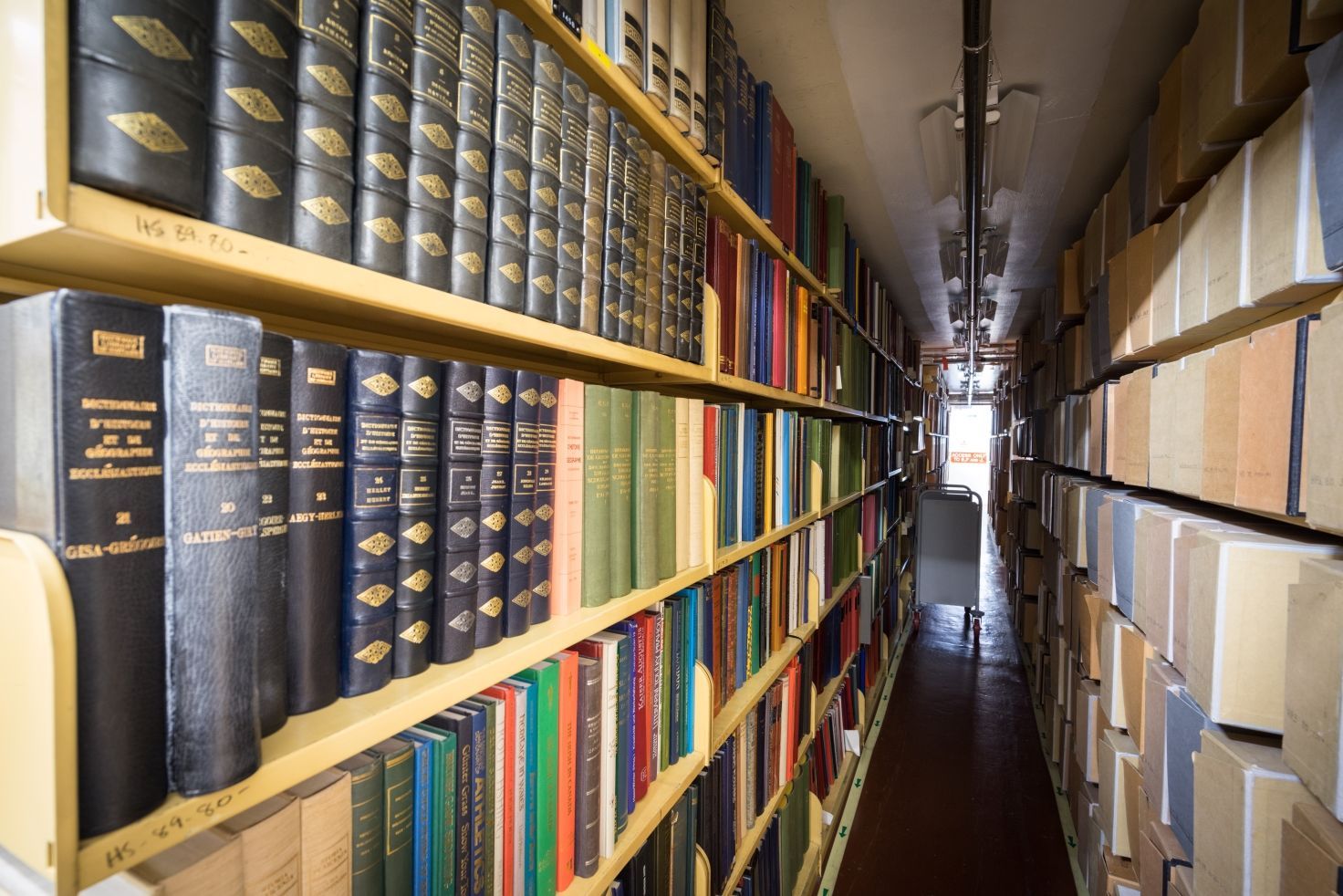
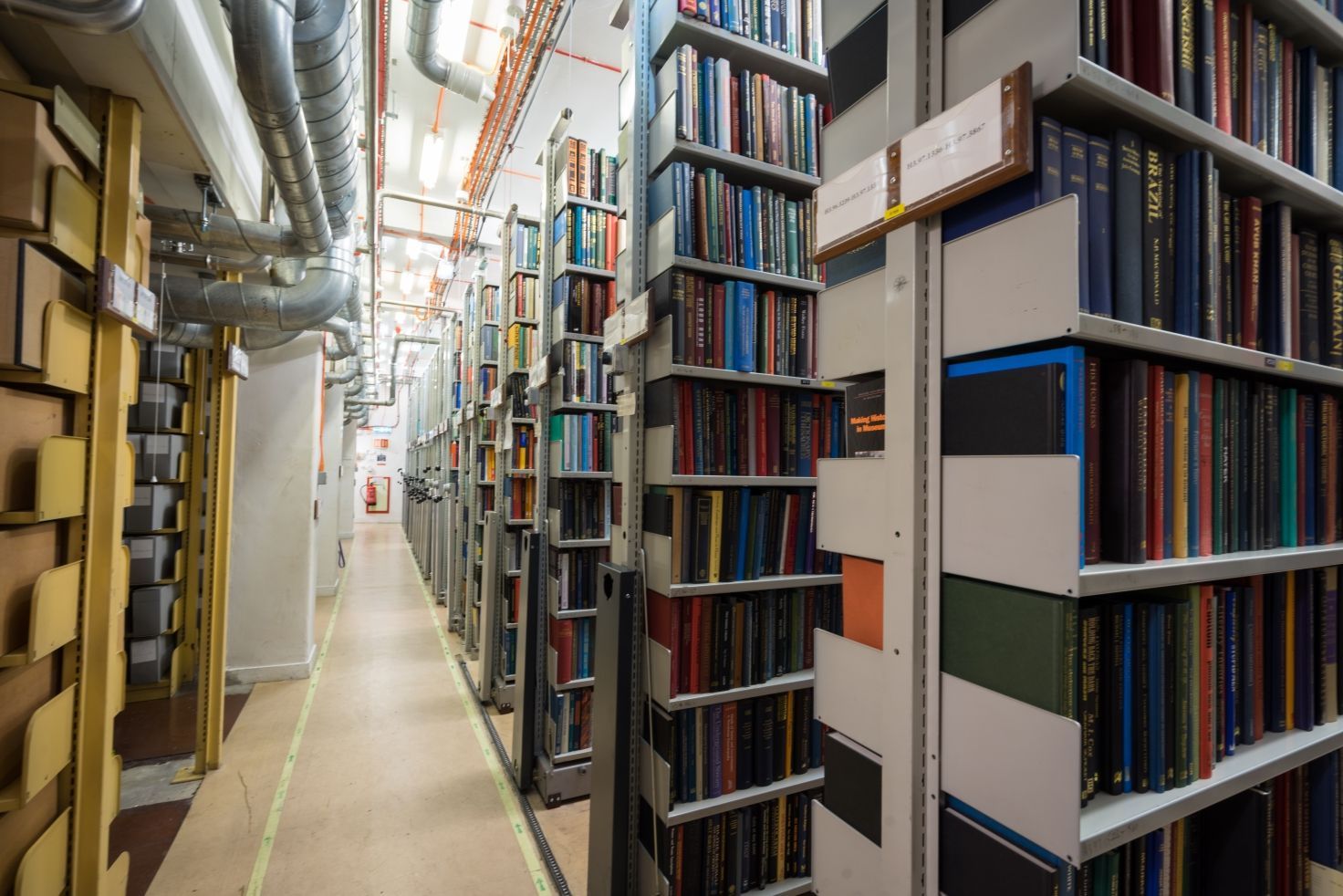
The National Library of Scotland (NLS) is the principal institutional guardian of Scott’s manuscripts and printed legacy. Its origins lie in the Advocates’ Library, where Scott served as a young Curator from 1796 — an appointment that placed him at the centre of Scotland’s scholarly infrastructure.
In the twentieth century, the Library secured some of the most significant Scott acquisitions ever made, including the Interleaved “Magnum Opus” edition of the Waverley Novels and the Pforzheimer manuscripts, repatriated from the United States. On 10 December 1986, members of the Edinburgh Sir Walter Scott Club were granted a private viewing of these newly acquired treasures, conducted by Dr Iain Gordon Brown, who had played a key role in their acquisition.
The Library also holds the fullest record of Scott’s extensive correspondence, including the Walpole Collection of Letters to Scott — an unparalleled archive documenting his personal, professional, and international networks. No other institution preserves such a comprehensive record of Scott’s written exchange. The Library is not merely an archive; it is the continuing custodian of the textual foundations of Scott’s reputation.
Historical Context
Scott’s association with the Advocates’ Library began in 1796 when he was appointed one of its Curators. The Library, housed near Parliament House, functioned as a legal and scholarly repository at the heart of Enlightenment Edinburgh.
The collections of the Advocates Library were gifted to the people of Scotland and served as the founding collections of the new National Library when it was established in 1925.
In his 1997 reply to the Toast to the National Library at the Scott Club’s 88th Annual Dinner, Dr Iain Gordon Brown traced this institutional evolution and recalled Scott’s early involvement — including an anecdote from 1796 when the young Curator failed to organise the coin collection satisfactorily. The story illustrates that Scott’s engagement with archival material was both practical and human.
The NLS has since become a central repository for Scott manuscripts, safeguarding original drafts of major novels and poems.
Scott Here
As a young advocate, Scott’s curatorship at the Advocates’ Library gave him daily access to historical records, chronicles, charters, and antiquarian material. This exposure profoundly shaped his documentary instincts and his method of historical fiction.
The Library today holds original manuscripts of:
•
Waverley
• Redgauntlet
• Rob Roy
• Other major works
Some of them have been digitized and can be viewed here.
In 1986, the acquisition of the Interleaved “Magnum Opus” edition — annotated by Scott himself — and the return of the Pforzheimer manuscripts marked a defining moment in modern Scott scholarship. The private viewing granted to the Scott Club symbolised the continuing partnership between the Library and those dedicated to Scott’s legacy.
Dr Iain Gordon Brown, later President of the Scott Club (2009–10), also delivered lectures including Sir Walter Scott: A Life in Manuscripts (2003) and Collecting Scott for Scotland 1850–2000 (2000), further cementing the institutional link.
The Bigger Theme:
Custodianship and National Memory
If Abbotsford represents Scott’s domestic and imaginative world, the National Library represents the preservation of his textual corpus.
Scott moved from Curator to subject — from organiser of books to archival treasure. The NLS embodies the continuity of national stewardship, legal deposit protection, and scholarly access that sustain Scott’s reputation beyond romantic myth.
The Library ensures that Scott’s manuscripts remain accessible to scholars rather than dispersed into private collections abroad.
Literary Connections
•
Waverley— manuscript held at NLS
• Redgauntlet
— manuscript held at NLS
•Rob Roy
— manuscript held at NLS
• Interleaved “Magnum Opus” edition — annotated by Scott
These materials allow scholars to trace revision, composition practice, and Scott’s evolving historical method.
What to Notice On Site
• The proximity to Parliament Square and St Giles’ Cathedral
• The Special Collections Reading Room — including its well-known acoustic “echo” — where Scott manuscripts and correspondence are consulted by scholars.
• The collections continuity from Advocates’ Library to NLS
• Exhibition displays featuring manuscripts and annotated editions
• The contrast between public exhibition spaces and scholarly reading rooms
This is where Scott’s handwriting replaces the monument.
Questions to Consider
- How does archival preservation shape literary reputation?
- What does it mean for a nation to “repatriate” its manuscripts?
- How did Scott’s early curatorship influence his later writing method?
Further Reading
Iain Gordon Brown,
Sir Walter Scott: A Life in Manuscripts(2003)
Iain Gordon Brown,Collecting Scott for Scotland 1850–2000
(2000)
J. G. Lockhart,Memoirs of the Life of Sir Walter Scott
David Hewitt (ed.),Scott on Himself
Official Website